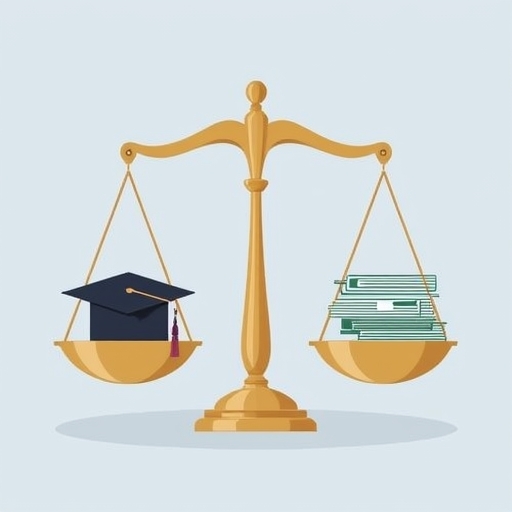
The recent ruling by the Eighth Circuit Court of Appeals marks a pivotal turning point for federal student loan policy in the United States. With the official termination of the Biden administration’s SAVE (Saving on a Valuable Education) repayment plan, roughly seven million borrowers now face an uncertain financial horizon. The SAVE program had been designed to make monthly loan payments more affordable by linking them directly to a borrower’s income, thereby providing meaningful relief to those struggling under the burden of educational debt. Its sudden nullification disrupts not only financial planning for millions of Americans but also the broader framework of accessible higher education that the plan symbolized.
In practical terms, this judicial decision eliminates one of the most significant income-driven repayment structures ever introduced, leaving millions of borrowers abruptly without the predictable, reduced payment schedules on which they depended. For instance, under the SAVE program, payments were often set at a small percentage of an individual’s discretionary income, ensuring that essential living expenses remained manageable while borrowers repaid their loans over time. Now, with that safeguard revoked, affected individuals must await new federal guidance to determine their next steps and assess whether any temporary relief measures will arise.
Beyond the immediate financial implications, the end of SAVE reignites complex political and ethical debates about the role of federal intervention in higher education financing. Questions of fairness, fiscal responsibility, and social equity are once again at the forefront. Advocates for student debt relief argue that this decision could deepen economic inequality by disproportionately harming lower- and middle-income earners who pursued education as a means of advancement. Conversely, critics contend that the original policy overstepped executive authority, asserting that major loan forgiveness or restructuring should depend on explicit legislative approval rather than administrative action.
As policymakers, borrower advocacy groups, and financial institutions now grapple with the aftermath, the path forward remains uncertain. It is possible that interim repayment plans or new regulatory frameworks could emerge to fill the void, though such developments are likely to involve extended negotiation and potential further litigation. Borrowers are therefore encouraged to monitor official Department of Education updates closely, consult with their loan servicers, and prepare contingency strategies for a range of possible repayment models.
This ruling underscores how intimately tied higher education financing has become with judicial oversight and political discourse. The outcome not only reshapes the financial prospects of millions of Americans but also signals that the debate over student loan reform is far from over. As the nation waits for the next chapter to unfold, one truth remains clear: navigating the transition after the end of SAVE will demand both policy innovation and personal resilience from those most directly affected.
Sourse: https://www.businessinsider.com/save-plan-whats-next-for-student-loan-borrowers-trump-settlement-2026-3