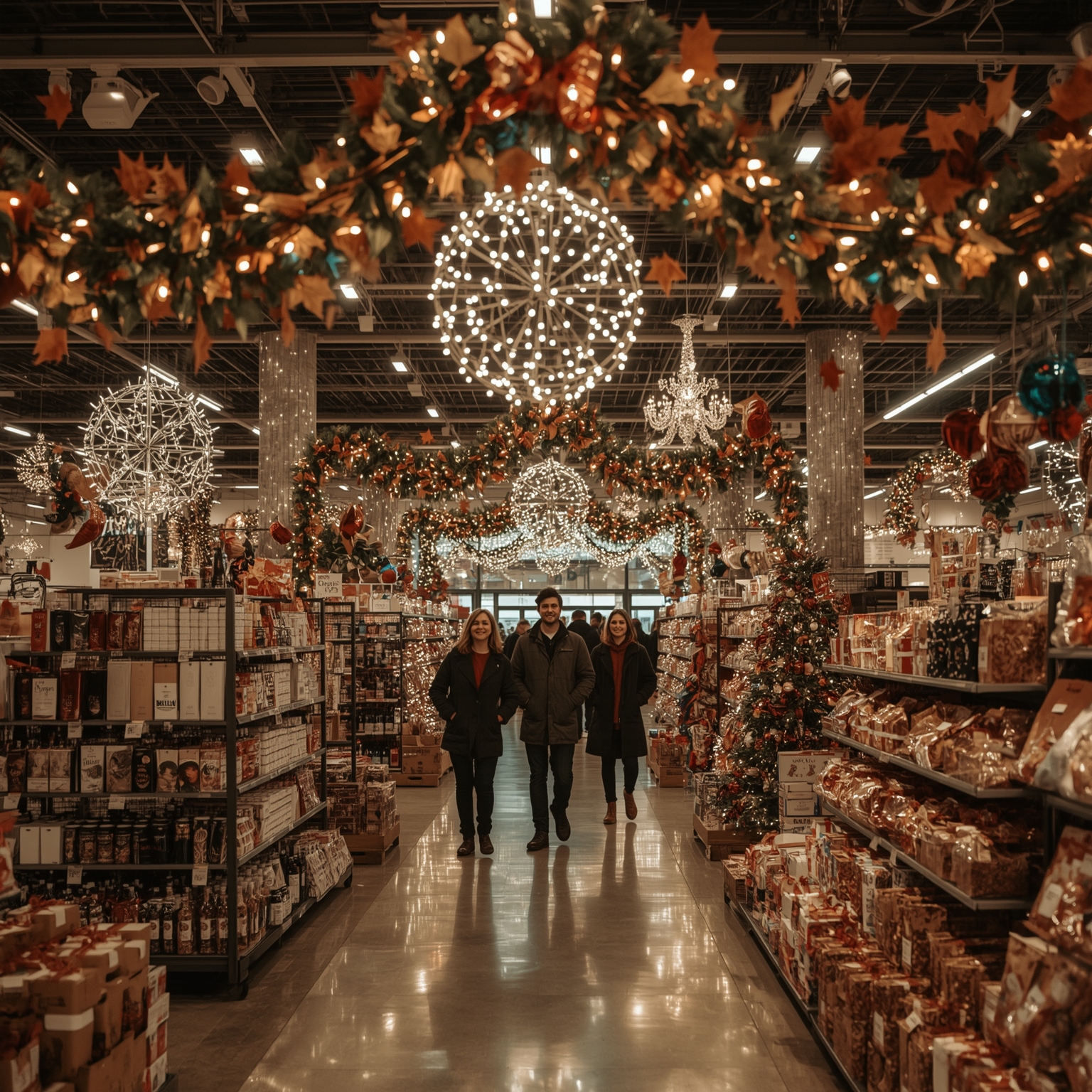
In previous decades, the unofficial holiday shopping season was clearly defined and largely restricted to the span of weeks that stretched from Thanksgiving to Christmas. Consumer spending patterns, retailer strategies, and cultural expectations all revolved around this relatively short and concentrated window of time. However, in recent years this tradition has been undergoing a noticeable transformation. No longer confined to late November and December, holiday shopping now begins significantly earlier, both in physical stores and through the rapidly expanding realm of e-commerce.
One of the most striking shifts has been the migration of shopping to online platforms combined with a steady acceleration of seasonal promotions. Major retailers have not hesitated to take advantage of this by launching their large-scale sales events well in advance of the classic timelines. A prime example can be seen with Amazon, which, instead of waiting until late fall, has introduced significant seasonal promotions as early as October. This expansion effectively elongates the entire holiday commercial cycle, enticing consumers to begin gift-buying long before the traditional season even begins.
The current retail landscape, however, is being influenced by more than just consumer demand for convenience. This year, economic policies—specifically the tariffs imposed or threatened during the presidency of Donald Trump—have had a profound effect on the timing of retailers’ inventory strategies. Concerned about the financial implications of import duties, numerous companies opted to order their holiday merchandise several months earlier than they had in prior years. By securing their goods in advance, retailers hoped to sidestep costly tariffs and shield both themselves and their customers from higher prices. As Kelly Pedersen, a partner and global retailer leader at PwC, explained to Business Insider, many businesses now find themselves holding significant stock long before the usual selling season. Instead of storing this merchandise in warehouses, many retailers will likely choose to display and sell it in stores as early as three months prior to Christmas.
Pedersen succinctly observed that the retail calendar is moving forward even faster than before, pointing out that companies are currently sitting on substantial inventory. This phenomenon is not hypothetical: executives in the industry are openly acknowledging the change. Home Depot, for instance, has already completed the process of obtaining its entire holiday stock. According to William Bastek, the chain’s executive vice president of merchandising, the company has all of its seasonal products secured in anticipation of the year’s final months. He emphasized that more than half of Home Depot’s merchandise is sourced domestically, which provides the company with both greater flexibility and a measure of insulation against global trade complications.
This earlier roll-out of seasonal goods has not emerged in a vacuum but rather stems from previous experiments. Retailers essentially had a practice run with Halloween. In what has become a recurring trend, Halloween decorations and merchandise have been appearing during the summer—a retail phenomenon sometimes referred to as “Summerween.” Pedersen highlighted that this early timing allows retailers to gauge consumer receptiveness and adjust accordingly. This year, prominent chains such as Walmart and Lowe’s made Halloween merchandise available as early as July, several months before the actual holiday. Similarly, the restaurant and retail hybrid chain Cracker Barrel also introduced festive Halloween décor into its gift shop offerings in midsummer. Chief Executive Officer Julie Masino explained that this decision reflected not only a tactical adjustment to manage tariff concerns, but also a wider revitalization of the company’s retail strategy.
Still, while these maneuvers may shield companies from tariffs and supply chain risks, they introduce fresh challenges for retailers. Chief among them is the issue of product markdowns. Retailers traditionally reduce prices on items that linger unsold on shelves, and this pattern is exacerbated when products are displayed prematurely. Pedersen used a concise analogy to describe the risk: inventory is unlike fine wine, as it does not appreciate in value over time. Quite the opposite, merchandise becomes more difficult to sell at full price the longer it remains available. This reality may force retailers to adopt widespread discounting policies earlier than they would prefer, potentially impacting profit margins.
As the industry moves further toward accelerated holiday schedules, Pedersen anticipates that these dynamics will continue. Retailers who opt to put products in front of consumers months ahead of schedule will almost certainly need to manage the financial consequences of longer shelf exposure. Accordingly, shoppers can expect to encounter holiday goods and discounted sales far sooner than in the past. All signs point to a retail environment where the festive season no longer begins after Thanksgiving, but rather unrolls steadily from midsummer into December.
Sourse: https://www.businessinsider.com/why-holiday-shopping-starting-earlier-than-ever-this-year-tariffs-2025-9