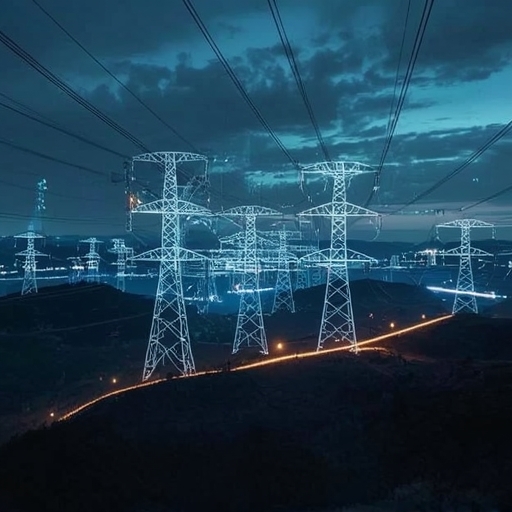
Across the United States, the network of transmission lines and substations that forms the backbone of the nation’s electric power grid is reaching a decisive and potentially transformative moment. Once designed to serve predictable, industrial-era patterns of consumption, this vast infrastructure now faces unprecedented stress from two accelerating forces: the explosive rise of energy-hungry data centers driven by artificial intelligence and cloud computing, and the rapid expansion of renewable power generation that demands new ways of moving electricity over long distances. Together, these developments are pushing the grid toward its physical and technological limits, requiring sweeping modernization on a scale unseen in decades.
Utility companies, recognizing both the urgency and complexity of this challenge, are preparing to commit tens of billions of dollars to upgrade and expand the nation’s fleet of high-voltage transmission lines. Such investments are not merely technical undertakings; they represent a critical foundation for the country’s economic and environmental future. Robust transmission capacity is essential for integrating clean energy sources like solar and wind—often generated in remote locations far from major cities—into population centers where the energy is most needed. Without these upgrades, both the reliability and sustainability of the electric system could be jeopardized.
Yet amid the growing consensus about the necessity of these improvements lies a profound financial and policy dilemma: who should bear the cost of this monumental transformation? Should the burden fall primarily on utilities and their shareholders, whose profits depend on the long-term viability of the grid? Or should ratepayers and taxpayers shoulder a portion of the cost, given that reliable access to electricity underpins every facet of modern life? The answer to this question will determine how equitably and efficiently the nation navigates its energy transition.
At stake is far more than the balance sheet of a few corporations. The debate over funding reflects deeper questions about how to balance reliability with innovation, affordability with sustainability, and private investment with public benefit. Crafting fair and forward-looking policy will be essential to ensuring that the grid can meet soaring power demands while accelerating the shift toward a cleaner, more resilient energy future. The decisions made today will echo for generations, shaping both the physical landscape of America’s infrastructure and the contours of its digital and environmental destiny. #EnergyTransition #Infrastructure #CleanEnergy #Innovation
Sourse: https://www.wsj.com/business/energy-oil/the-electric-grid-needs-huge-upgrades-no-one-knows-who-will-pay-for-them-2d9e2c11?mod=pls_whats_news_us_business_f