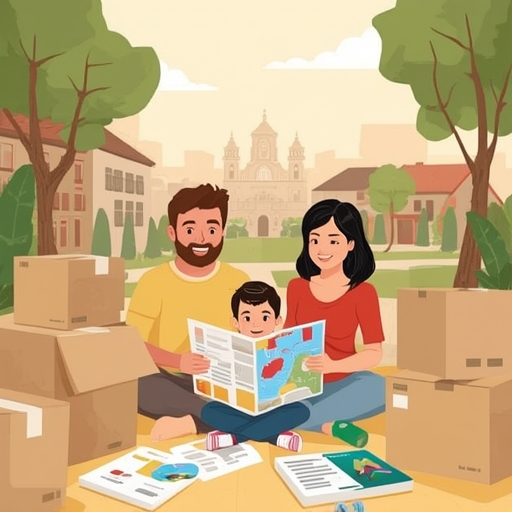
Before embarking on our life-changing relocation from the United States to Spain, our family believed we had thought through every possible detail. We prepared diligently, researching neighborhoods, comparing schools, and double-checking our documentation. However, once we arrived and began settling into our new surroundings in the suburbs of Madrid, we quickly realized that several crucial tasks—simple in hindsight—would have significantly eased our transition had we completed them beforehand.
The first and perhaps most pressing issue involved official documentation. Although we had valid U.S. driver’s licenses, we overlooked the importance of verifying their equivalency or obtaining international driving permits before departure. The process of exchanging or validating licenses in Spain proved far more intricate and time-consuming than anticipated, compounded by language barriers and bureaucratic layers. A bit of foresight and preparation in this area could have spared us weeks of uncertainty and dependence on public transportation.
Another major challenge arose from healthcare arrangements. While we had secured basic international health insurance, we had not fully organized the transfer of our medical histories, vaccination records, or prescriptions. Once abroad, scheduling medical appointments and explaining prior treatments became a drawn-out ordeal without documentation that Spanish physicians could easily reference. In retrospect, gathering comprehensive copies of all relevant medical records and having them translated into Spanish would have provided both reassurance and efficiency.
Digital communication also became unexpectedly complicated. In the rush of departure, we failed to maintain our U.S. phone numbers or inform key contacts of our new European ones. Essential verification texts, financial alerts, and even access to online accounts became temporarily inaccessible. We later learned that setting up virtual number services or ensuring continuity through international plans could have mitigated this frustration dramatically.
Similarly, the administrative complexities extended into our financial lives. Several U.S. institutions viewed our international logins as suspicious, temporarily freezing accounts. Had we notified our banks and credit card providers about our move and established secure digital verification methods beforehand, those interruptions could have been minimized. Simple procedural oversight became hours of long-distance calls and cumbersome identity confirmation steps.
Finally, one of the most understated yet emotionally significant lessons involved maintaining connections—both personal and professional. We underestimated how vital it would be to preserve a sense of continuity, not just through technology but through intentional communication. The time difference, cultural rhythm, and unfamiliar routines initially made it difficult to sustain regular contact with loved ones back home. Now, we encourage any future expatriates to schedule calls in advance, nurture digital communities, and introduce their children to new forms of socialization that bridge old and new worlds alike.
Reflecting on our experience, these five lessons have become a personal checklist we now share with anyone preparing for international relocation: confirm documentation validity, manage healthcare transitions, ensure reliable communication setups, alert financial institutions to your move, and protect the emotional well-being of your family through sustained relationships. Each may appear minor in isolation, but together they form the foundation for a seamless, confident, and rewarding start in a new country. Our initial missteps became invaluable insights—proof that thorough preparation not only prevents logistical stress but also fosters a more enriching cultural integration once you arrive.
Sourse: https://www.businessinsider.com/mistakes-american-family-made-moving-to-spain-leaving-us-2026-3