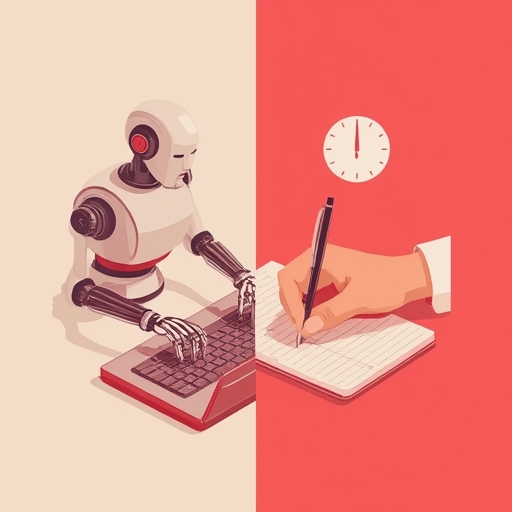
In the fast-paced ecosystem of digital communication, where artificial intelligence tools increasingly dominate content creation, a fascinating revelation from a prominent creator serves as both a caution and an inspiration. After extensive experimentation, this influential podcaster discovered that posts written by hand—crafted through genuine effort, emotion, and individual expression—consistently achieved greater resonance and measurable engagement when compared to their AI-generated counterparts. This insight touches a profound nerve within the broader discourse of modern marketing: our collective yearning for human authenticity in a landscape often saturated with algorithmic precision and synthetic tone.
While the technological evolution of AI undoubtedly empowers creators by accelerating production and amplifying scale, its convenience often comes at the expense of warmth and relatability. Handwritten posts, with their imperfect nuances and contextual intuition, tend to evoke empathy and curiosity in ways that computational models still struggle to replicate. For instance, readers can sense the sincerity behind a thoughtfully worded reflection much as they recognize the cadence of natural human storytelling—a rhythm that subtly mirrors conversation, emotion, and shared experience. These elements forge an invisible but powerful connection between author and audience, reminding people that behind every sentence lies a real, thinking mind.
Moreover, this observation invites broader reflection on strategy and purpose for professionals navigating content-driven industries. Authenticity has transitioned from being a desirable trait to a strategic advantage, one that can distinguish a brand amidst the overwhelming noise of templated digital discourse. Algorithms may optimize visibility, but emotional intelligence sustains attention and loyalty. The podcaster’s example thus operates as a practical demonstration of a timeless truth: audiences ultimately crave the human presence that technology—despite its sophistication—often dilutes.
Balancing automation with authentic communication does not require rejecting AI outright; rather, it demands intentional integration. Artificial intelligence can handle analytic rigor, scheduling, and even structural composition, freeing creative thinkers to focus on voice, narrative, and vision. The synergy between machine efficiency and human sensitivity becomes a central skill for modern communicators. Those who master this equilibrium will not only maintain relevance but also preserve trust at a time when digital interactions frequently feel impersonal.
Perhaps, beyond mere performance metrics, what truly matters is rediscovering the meaning of creation itself. Every hand-tailored message, when shaped through genuine curiosity or lived experience, represents a small act of human connection—a bridge across the digital divide reminding us that empathy remains technology’s greatest complement. In a world enamored with automation, it is authenticity, depth, and the unmistakable mark of individuality that continue to captivate hearts, foster community, and ensure that our words do more than inform—they resonate.
Sourse: https://www.businessinsider.com/diary-of-a-ceo-star-steven-bartlett-stopped-ai-linkedin-2026-3