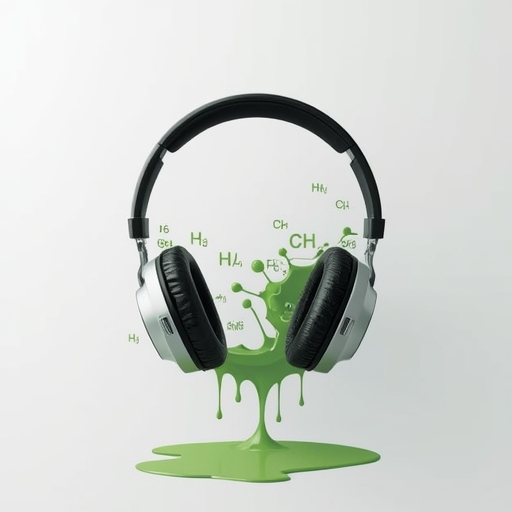
In an unexpected and rapidly unfolding situation within Europe’s retail sector, several of the continent’s most prominent electronics sellers have chosen to withdraw a selection of well-known headphone models from their stores. This decisive action stems from the findings of a newly published, EU-funded scientific investigation that identified the presence of hormone-disrupting chemicals—substances capable of affecting endocrine function—within certain audio devices currently circulating in the consumer marketplace.
The brands referenced in the report represent some of the most influential names in the global electronics industry, including Apple, Beats, Samsung, Bose, JBL, and Sennheiser. Each of these manufacturers has built its reputation upon sophisticated engineering, refined aesthetics, and immersive sound quality; however, this revelation has prompted pervasive unease regarding the safety of widely-used consumer electronics. The detection of even trace levels of such chemicals has ignited both regulatory scrutiny and public concern across the European Union.
This incident not only raises immediate questions about the adequacy of existing manufacturing standards but also draws attention to the larger conversation surrounding corporate transparency, ethical production, and environmental accountability. EU regulatory bodies are expected to intensify their oversight, examining not only final products but also the complex supply chains through which components are sourced, treated, and assembled.
From an industry perspective, this development underscores the vital intersection between technological innovation and public health. Manufacturers who have long prioritized acoustic performance and aesthetic design are now being challenged to demonstrate a commitment to sustainable practices—ones that minimize chemical exposure and prioritize consumer safety. Meanwhile, retailers are faced with the difficult task of balancing commercial interests with their moral and legal obligation to protect customers.
For consumers, this event serves as a reminder that convenience and cutting-edge design can sometimes conceal unforeseen environmental and biological risks. It also signals a growing demand for stronger oversight and transparent labeling that clearly conveys potential chemical hazards. Across the continent, discussions are intensifying: should stricter thresholds for chemical safety be applied to consumer electronics? Should responsibility ultimately rest with regulators, with industry leaders, or with the informed choices of consumers themselves?
The coming months are likely to bring deeper investigations, possible product reformulations, and renewed debates about the balance between innovation and responsibility within the global technology market. In this evolving landscape, safety is no longer a peripheral concern—it is quickly becoming a defining factor in the public’s trust toward major electronics brands. 🎧🌍
Sourse: https://www.theverge.com/science/894771/headphones-hormone-disrupting-chemicals-study