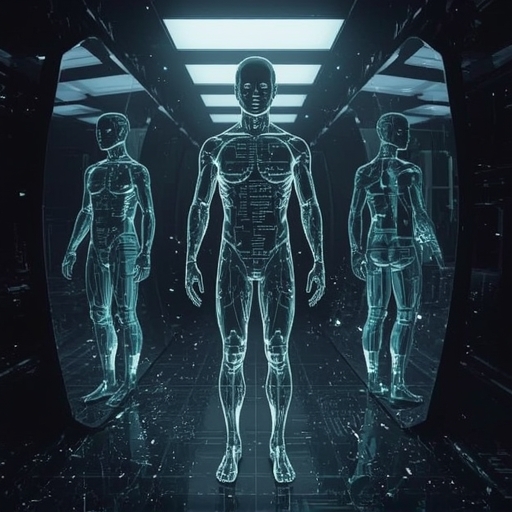
In a world increasingly mediated by screens, algorithms, and synthetic imagery, the distinction between what is real and what is artificially produced has begun to blur with unprecedented speed. The proliferation of AI-driven deepfakes—digital composites capable of fabricating highly realistic videos and voices—has transformed social media into a complex arena where truth competes with illusion in a continuous, disorienting cycle. Across platforms, these hyperreal simulations effortlessly mimic public figures, replicate emotional nuances, and manipulate the trust that audiences once placed in visual evidence. As these deceptive technologies circulate, reality itself feels increasingly unstable, demanding new forms of vigilance and verification from everyone who engages online.
On professional networks and in the broader digital ecosystem, this emerging phenomenon signals a profound crisis of authenticity. Viral deepfakes are more than technical curiosities; they are instruments capable of reshaping public opinion, eroding confidence in institutions, and amplifying misinformation at staggering speed. The simplicity of creating realistic fictions through generative models illustrates how vulnerable modern communication channels have become. For educators, journalists, policymakers, and technologists, the challenge is not simply to identify manipulated content but to foster a culture of critical inquiry—one that prizes discernment, transparency, and ethical stewardship of AI tools. Robust governance structures and cross-disciplinary cooperation will be essential if we hope to safeguard truth from digital distortion.
On visual platforms, the narrative becomes even more emotionally charged: the spectacle of perfectly rendered lies has captivated audiences and fueled absurd conspiracy theories suggesting that world leaders or celebrities have been substituted with synthetic look-alikes. Beneath the humor and absurdity lies a sobering realization—our collective sense of what is genuine, of what can be trusted in an image or a voice, is becoming fragile. The fascination with these illusions mirrors a deeper cultural anxiety: we now inhabit an environment where authenticity must constantly be questioned, reconstructed, and defended.
Across community networks and social platforms, misinformation bred by deepfakes demands a response grounded in awareness and education. The more sophisticated these synthetic creations become, the less reliable our traditional markers of truth will appear. Discerning audiences must therefore cultivate skepticism not as cynicism but as informed alertness—a mental habit of asking what, how, and why digital information is shaped. Discussions about protecting reality in the era of AI are no longer science‑fiction musings; they are urgent ethical imperatives. Together, individuals, institutions, and innovators must reclaim the boundaries of authenticity before the meaning of ‘real’ becomes yet another product of algorithmic design.
Sourse: https://www.theverge.com/tech/895453/ai-deepfake-netanyahu-claims-conspiracy