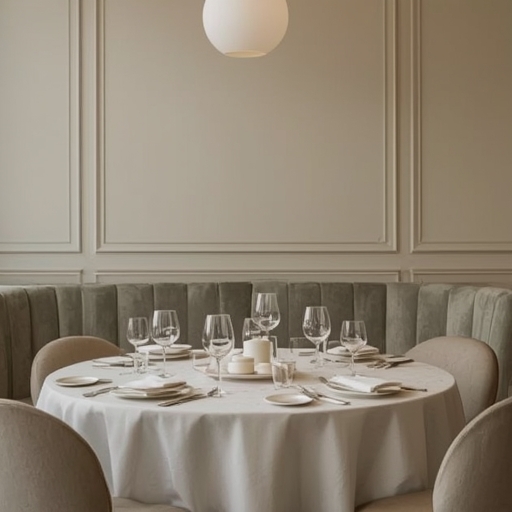
When attending a work-related meal, whether it’s a formal business lunch, a team dinner, or a casual outing with colleagues, the food and drinks you choose can silently communicate a great deal about your professionalism, judgment, and awareness of social context. According to an experienced etiquette consultant, there are several menu items that may seem harmless but can actually leave a poor impression in a professional environment. These recommendations stem not from culinary taste, but from a nuanced understanding of workplace dynamics and the subtleties of human interaction.
To begin with, overly messy or difficult-to-eat dishes are best avoided. Imagine trying to manage spaghetti in marinara sauce while engaging in polite conversation with your supervisor — one small slip can lead to an embarrassing moment. Foods that require excessive cutting, peeling, or finger use often distract from the discussion and can appear clumsy or unrefined. A neatly plated, easy-to-handle dish conveys poise and preparedness, reflecting an ability to manage situations with grace and foresight.
Equally important is the avoidance of overly aromatic or unconventional menu items. Strongly scented dishes, such as those heavy with garlic, onions, or exotic spices, may be delightful in casual settings but can quickly overwhelm a shared table. In professional interactions, balance and discretion are key virtues; your aim is to create a comfortable atmosphere for everyone present. Choosing mild, inoffensive flavors signals respect for others’ comfort and demonstrates cultural sensitivity.
The etiquette expert also cautions against ordering alcoholic beverages unless explicitly encouraged by the host and appropriate to the occasion. Even if a drink seems socially acceptable, moderation remains essential. Appearing even slightly impaired can undermine credibility and professionalism, regardless of your intentions. Opting for a non-alcoholic beverage or limiting yourself to one glass shows restraint and sound judgment — qualities that managers and coworkers value highly.
Finally, consider the symbolism of indulgence and expense. Selecting the most luxurious or extravagant item on the menu can suggest poor discretion or entitlement, especially if someone else is footing the bill. Conversely, modest and sensible choices — such as a simple grilled entrée or a balanced salad — imply thoughtfulness and humility. Your meal becomes a reflection of your broader professional character: composed, reliable, and attuned to context.
In conclusion, the foods and drinks you order during a work event carry more weight than one might initially assume. By avoiding messy meals, overpowering flavors, excessive alcohol, and ostentatious selections, you project the image of a polished, considerate professional who understands both social boundaries and workplace culture. These small yet strategic decisions can quietly reinforce your reputation for confidence, composure, and good taste — serving you well beyond the dining table.
Sourse: https://www.businessinsider.com/things-you-should-never-order-work-event-from-etiquette-expert