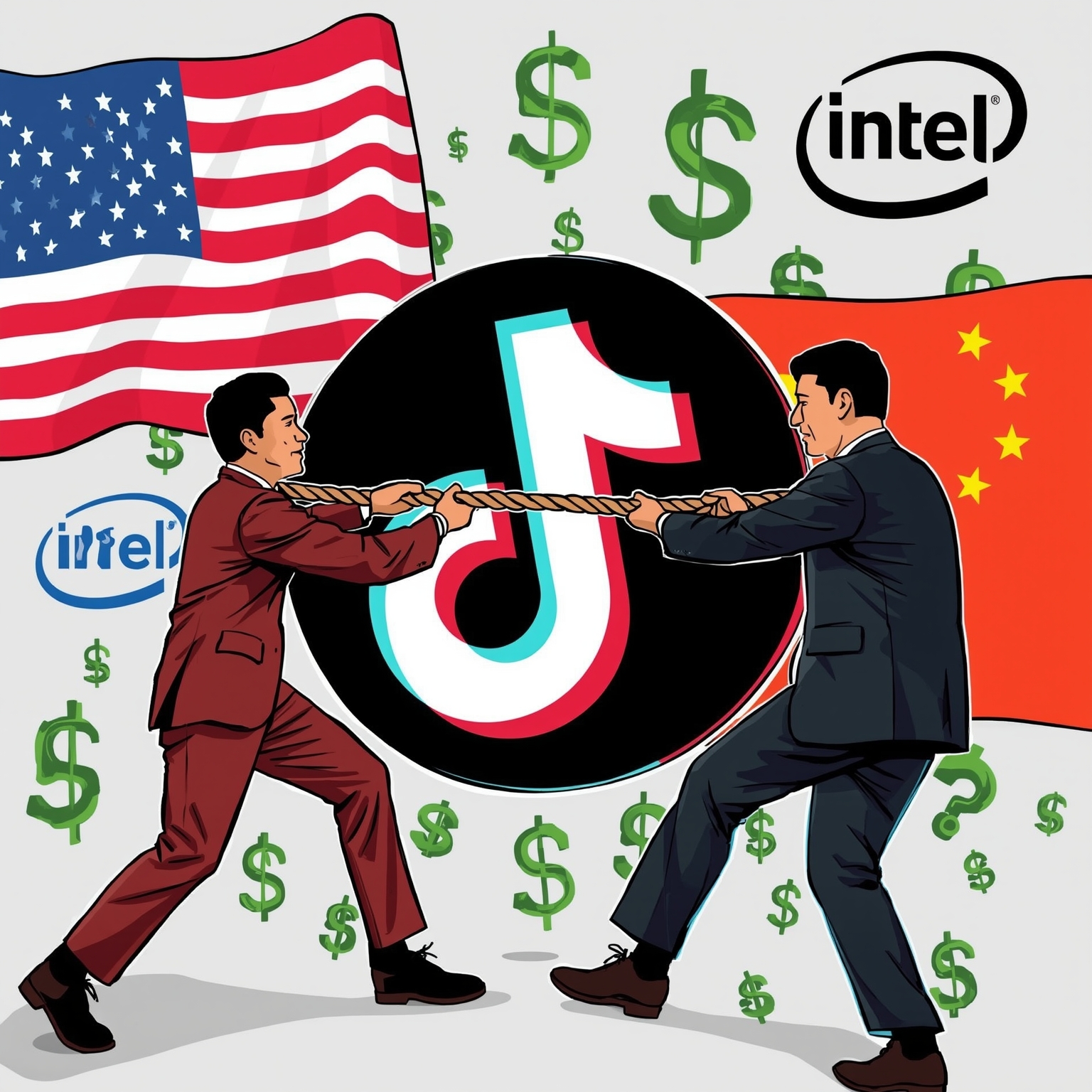
A series of unusual financial entanglements has recently raised serious questions about the ways in which the Trump administration might be leveraging international corporate interests. Among the most attention‑grabbing examples are references to acquisitions and investments such as a 10 percent stake in Intel, the appropriation of 15 percent of Nvidia’s sales within the Chinese market, and even a so‑called “golden share” associated with Nippon Steel. Each of these examples carries symbolic weight, raising the question of what additional concessions or payments President Trump might ultimately demand from global corporations in return for regulatory leniency or political favor.
Against this backdrop, reporting from *The Wall Street Journal* has drawn further scrutiny. According to individuals who claim insight into the administration’s internal discussions, the Trump White House is apparently “expected to collect a multibillion‑dollar fee” as a direct condition for permitting negotiations over the transfer of TikTok’s American operations. In this proposed arrangement, the fee in question would not emerge from the coffers of TikTok’s parent company alone. Instead, the burden would fall upon TikTok’s existing United States investors—most notably the private equity powerhouse Silver Lake and the technology firm Oracle. Under the contemplated structure, this new investor consortium would acquire approximately half of the platform’s American business, while ByteDance, TikTok’s Chinese parent company, would remain a minority stakeholder, holding less than one‑fifth of the enterprise.
Adding to the complexity, President Trump publicly declared just yesterday that, in his view, “the United States is getting a tremendous fee‑plus, I call it a ‘fee‑plus,’ just for making the deal.” Such statements, however, are typically difficult to interpret in a straightforward fashion. Trump is well known for rhetorical exaggeration and for deploying phrases that often require careful parsing. Consequently, it remains highly uncertain whether a definitive agreement concerning TikTok’s U.S. branch truly exists at this stage or whether the negotiations are still largely speculative projections circulated for political effect.
Nevertheless, the suggestion by the *Wall Street Journal* that “people familiar with the matter” anticipate not only the likelihood of an eventual deal but also the transfer of billions of dollars from prominent American companies into the hands of the Trump administration is a revelation that demands close scrutiny. Such claims imply a potentially significant precedent: corporations may be willing to authorize extraordinary payments if they believe that by doing so they will unlock access to highly lucrative opportunities in one of the world’s most dynamic markets. In other words, why else would leading firms such as Oracle or Silver Lake agree to pay billions of dollars directly into the American government’s coffers unless they were convinced that the long‑term profits to be made through control of TikTok’s U.S. operations would outweigh such vast initial expenditures? The situation, while still unresolved, presents a vivid illustration of how geopolitics, commerce, and executive power can collide to reshape the global business landscape.
Sourse: https://www.theverge.com/news/782218/trump-claims-the-us-is-about-to-get-a-tremendous-fee-for-taking-tiktok-out-of-china