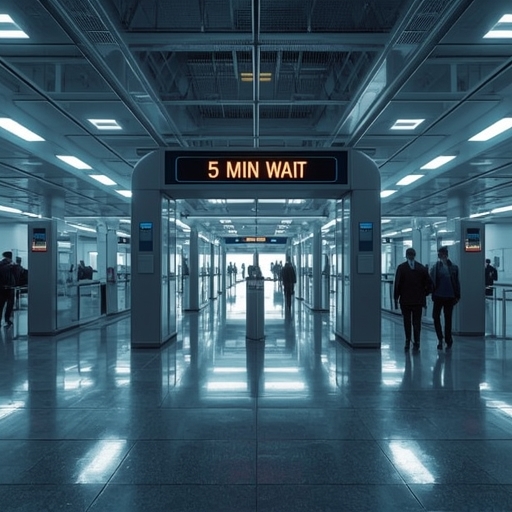
In a remarkable demonstration of organizational effectiveness and strategic foresight, Atlanta’s Hartsfield‑Jackson International Airport has achieved what only weeks ago seemed nearly impossible: reducing its Transportation Security Administration (TSA) checkpoint wait times from an excruciating four hours to a mere five minutes. This accomplishment reflects more than a logistical correction—it represents a transformative case study in operational excellence within one of the busiest aviation hubs in the world.
Until recently, travelers passing through Atlanta were met with daunting lines that stretched endlessly through terminal corridors. The frustration among passengers, compounded by missed flights and scheduling chaos, highlighted the pressure such inefficiencies place on both travelers and airport personnel. Yet through a carefully orchestrated combination of data‑driven management, enhanced resource allocation, and rigorous coordination between TSA teams and airport leadership, the situation has been completely reversed. The astonishing acceleration from hours to mere minutes is not just a number—it symbolizes a renewed commitment to customer experience and public trust.
Industry analysts attribute this dramatic shift to a series of strategic adjustments. First, authorities implemented advanced queue‑monitoring technologies, allowing real‑time tracking of passenger throughput to dynamically assign staff where congestion was most severe. Additionally, improved training and reinforcement of standard operating procedures empowered personnel to process screenings more efficiently without compromising safety. Updated signage, clear passenger guidance, and the integration of automated security lanes further streamlined workflow, reducing the cognitive friction that often accompanies airport navigation.
For the traveling public, the impact is immediate and palpable. Where anxious waiting once consumed precious time, travelers now move smoothly through security checkpoints, able to redirect their energy to relaxation, productivity, or simply the enjoyment of their journeys. For businesses operating in and around the airport—from airlines to concession owners—the improvement translates to predictability, higher satisfaction rates, and stronger revenue potential.
On a broader level, this success serves as a compelling example of what can be achieved when technological innovation merges with intelligent human resource planning. It demonstrates how resilience and adaptability allow major institutions to rebound from operational crises with even greater efficiency than before. In transforming a logistical bottleneck into a model of streamlined excellence, Hartsfield‑Jackson has reminded the travel industry that efficiency, once achieved, is a form of luxury that benefits everyone who passes through the gate.
Sourse: https://www.businessinsider.com/tsa-delays-wait-times-plummet-atlanta-houston-4-hours-2026-3