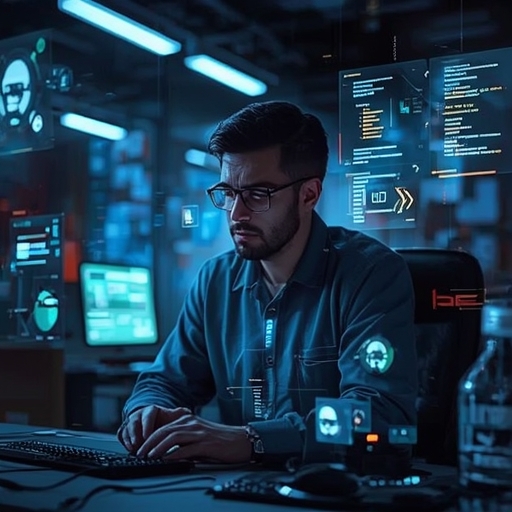
Artificial intelligence has rapidly become one of the most transformative forces in the modern workplace, particularly within the world of software engineering and high-tech innovation. Teams that once spent countless hours debugging, refactoring, and optimizing code are now able to streamline their efforts with the help of AI-assisted tools that anticipate problems, automate repetitive work, and even suggest creative solutions. This unprecedented leap in efficiency and problem-solving capacity has ushered in what might be called an era of accelerated productivity—a time when output and innovation appear to move at the speed of thought itself. However, this same acceleration has also revealed a shadow side: a growing sense of fatigue, emotional exhaustion, and cognitive overload among the very professionals driving this revolution.
As reflected in observations from seasoned engineers like Simon Willison, co-creator of Django, the paradox at the heart of AI-driven productivity is becoming increasingly clear. The very tools that expand developers’ capabilities and enable them to work more efficiently can simultaneously amplify the pace and pressure of work to unsustainable levels. When AI systems make it possible to code, deploy, and iterate at unprecedented speeds, professionals often find themselves caught in a relentless cycle of just-in-time innovation, where deadlines shrink, expectations rise, and rest becomes secondary. The concept of being ‘AI-pilled’—fully immersed in machine-assisted output—captures both the thrill of optimization and the underlying risk of burnout.
This tension invites a deeper examination of what productivity truly means in the context of human-centered work. While automation and machine intelligence can eliminate inefficiencies, they cannot replace the biological and emotional limitations that define human performance. In fact, as workflows become increasingly optimized, the qualitative aspects of creative and intellectual labor—focus, curiosity, and intrinsic motivation—begin to erode under the weight of constant acceleration. A developer who writes code twice as fast may initially feel empowered, but over time may also experience cognitive exhaustion, disrupted attention, and diminished job satisfaction. The same technological momentum that boosts effectiveness can, paradoxically, strip work of its natural rhythm and humanity.
Organizations embracing AI therefore face a pivotal challenge: to pair technological efficiency with psychological and emotional sustainability. Implementing artificial intelligence into professional workflows must go hand in hand with fostering healthy boundaries, establishing mindful cultures of rest, and reimagining what balanced performance looks like in an age of machine-augmented labor. This balance does not diminish the transformative power of AI—it enhances it. Sustainable innovation arises not from continuous acceleration, but from a deliberate calibration between speed and reflection, output and recovery.
The future of AI in the workplace, then, is not only about building smarter algorithms or achieving greater productivity metrics. It is also about ensuring that the human beings behind those algorithms remain creative, motivated, and well-supported. As we continue to integrate AI into every aspect of professional life—from coding and design to analysis and decision-making—we are compelled to ask new questions about the relationship between technology and well-being. How can organizations harness the power of artificial intelligence not merely to do more, but to do better? Can innovation evolve without eroding the mental health and energy of those who create it? These questions define the next frontier of work culture in the digital age.
AI promises extraordinary efficiency, but it is ultimately human equilibrium that will determine whether that promise leads to progress or burnout. To thrive in this new era, individuals and institutions alike must redefine success—not by how fast technology allows us to move, but by how wisely we choose to navigate its pace.
Sourse: https://www.businessinsider.com/ai-engineers-exhausted-django-co-creator-simon-willison-2026-4


