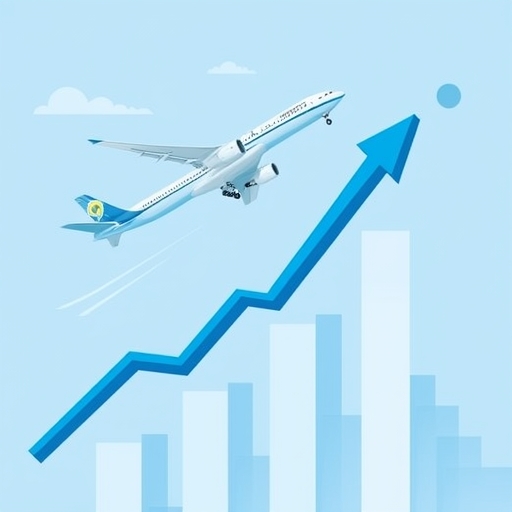
In recent months, the volatile intersection of geopolitics and global energy markets has created a dramatic surge in jet fuel prices, which have now soared to over $220 per barrel. This figure represents more than twice what airlines were paying before the onset of the conflict in Iran, revealing how swiftly unrest in the Middle East can ripple through deeply interconnected economic systems. Unlike the broader category of crude oil—whose price has increased more modestly—refined aviation fuel has experienced disproportionate upward pressure. The reasons are multifaceted: refinery bottlenecks, disrupted supply chains, heightened risk premiums on fuel transport routes, and increased demand from carriers struggling to maintain consistent flight schedules amid global instability.
For the aviation industry, this steep climb in fuel costs translates directly into a formidable escalation of operational expenses. Since jet fuel regularly represents one of the largest single components of an airline’s budget—often accounting for up to a quarter or more of total costs—even a moderate increase can significantly reshape profit margins. A doubling in price is not merely a financial inconvenience but a systemic shock that affects fleet planning, route profitability, and ticket pricing strategies. Many airlines may attempt to hedge against these fluctuations through financial instruments or long-term contracts, but such measures offer limited protection during sustained market disruptions.
These fuel price dynamics inevitably filter down to passengers. Travellers booking tickets in the coming months are likely to encounter noticeable fare increases across routes, even on airlines that previously positioned themselves as low-cost carriers. When fuel expenses escalate at this pace, the entire network—from transatlantic flights to short domestic hops—feels the impact. Additionally, ancillary costs such as cargo surcharges and airport fees may rise as operators attempt to offset the mounting burden. This cascading effect illustrates how global political crises, though seemingly distant, can manifest in everyday consumer experiences—such as the price you pay for your next vacation or business trip.
Understanding these fluctuations requires a broader appreciation of how the energy market functions in times of uncertainty. Wars and sanctions in critical oil-producing regions not only reduce supply but also amplify speculation and risk premiums in futures markets. Refiners responsible for producing jet fuel must contend with volatility in both raw material costs and logistics, leading to pricing that often outpaces crude benchmarks. At the same time, airlines face the challenge of navigating these complexities while maintaining passenger confidence and affordability.
In this climate, it becomes evident that a plane ticket is not merely a travel expense—it is a reflection of intricate global dependencies. A spike in jet fuel prices underscores how events thousands of miles away can alter the economics of flight within weeks. As tensions persist, travellers, investors, and policymakers alike must recognize that the sky-high cost of aviation fuel serves as both a symptom and a signal—an indicator of the profound connectivity that defines today’s economy.
Sourse: https://www.businessinsider.com/chart-rising-fuel-costs-make-plane-ticket-more-expensive-2026-4


