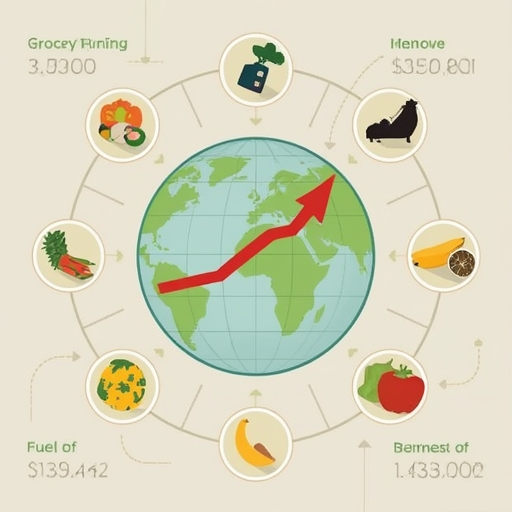
The ongoing geopolitical conflict involving Iran has sparked a surge in global fuel prices, and these rising energy costs are now cascading through supply chains, dramatically affecting the price of everyday produce. Fruits and vegetables—items that require extensive transportation and refrigeration from farm to market—are particularly vulnerable to fluctuations in fuel prices. As transportation becomes more expensive, the downstream impact naturally extends to wholesalers, retailers, and ultimately to consumers standing at grocery store checkouts.
In the United States, distributors have already reported significant increases in the wholesale costs of perishable goods such as strawberries, limes, lettuce, and tomatoes. Because these items rely on fuel-intensive logistics networks, even modest changes in oil market dynamics can produce sweeping consequences for pricing across the agricultural sector. When diesel and gasoline become more expensive, freight companies raise shipping rates, which then inflates the total cost of moving food from farms to distribution centers and onward to stores.
This chain reaction is further compounded by the global nature of agricultural trade. Many fruits and vegetables consumed domestically are imported from regions thousands of miles away, such as avocados from Mexico, cherries from South America, or citrus from the Mediterranean. Each additional mile traveled adds a financial burden tied to fuel costs, amplifying the economic strain of long-distance supply routes. Businesses that rely on these imports must either absorb these increased expenses or transfer them to consumers in the form of higher retail prices.
For the average shopper, these changes become visible in subtle yet cumulative ways: price tags incrementally climbing week after week, smaller promotional discounts, or the disappearance of seasonal deals. Restaurants and food-service providers likewise face higher procurement costs, which may soon manifest in pricier menu items or reduced portion sizes as establishments seek to maintain profitability amid inflationary pressure.
Economists caution that such developments could signify more than a temporary spike. If oil market instability persists, predictable cycles of seasonal produce availability could become disrupted, leading to unpredictably high prices throughout the year. Even for domestically grown produce, increased fuel expenditures on farm equipment, irrigation pumps, and refrigerated transport vehicles exacerbate overall operational costs, tightening profit margins along every stage of production.
In short, the conflict in Iran has illustrated just how interconnected the global economy has become. A regional geopolitical event can ripple outward, reshaping the costs of fundamental consumer goods thousands of miles away. Consumers, grocers, and restaurateurs will likely continue to feel the effects at least in the short term, with fresh food prices representing one of the most immediate and tangible indicators of the broader economic consequences of global unrest. #FoodPrices #Inflation #SupplyChain #Economy
Sourse: https://www.businessinsider.com/grocery-produce-prices-rising-oil-soars-during-war-with-iran-2026-4


