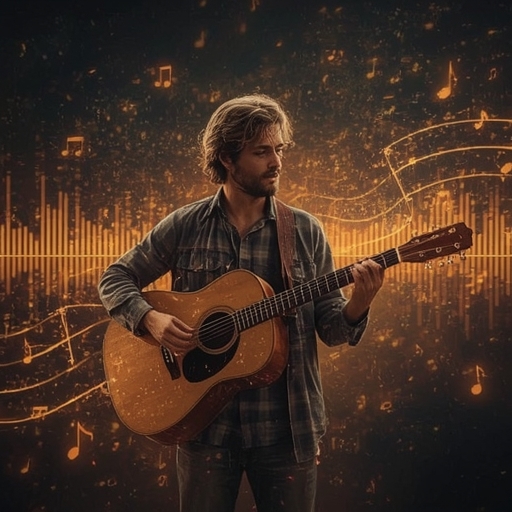
In an era when artificial intelligence can fabricate melodies and mimic human expression with astonishing precision, the story of a folk musician discovering AI-generated imitations of her songs feels both inevitable and deeply unsettling. The artist, known for her heartfelt performances uploaded organically to YouTube, awoke to find entire compilations of fabricated tracks using her name circulating on streaming platforms. These false creations, though algorithmically produced, borrowed her distinct timbre, tone, and style, as if the machine had siphoned the very essence of her artistry. What initially might have seemed like a harmless technological experiment quickly transformed into a matter of identity theft, creative exploitation, and copyright vulnerability.
This alarming discovery strikes at the complex heart of creativity in the digital age. Artificial intelligence, while celebrated for its innovative potential, now poses an ethical dilemma: when a system trained on an individual’s original performances generates music eerily similar to their authentic work, who truly owns that output? For musicians whose livelihoods depend on originality and emotional sincerity, the emergence of AI replicas not only threatens income but undermines the integrity of the artistic voice itself. The folk musician at the center of this issue did not grant consent, nor did she profit from these tracks falsely attributed to her name — yet listeners, unaware of the manipulation, streamed the songs, blurring the boundaries between genuine and synthetic creativity.
Beyond personal violation, this incident exposes larger systemic shortcomings in the modern music industry. Platforms designed to democratize art distribution have simultaneously created fertile ground for technological abuse. Without robust screening mechanisms or transparent verification processes, malicious actors — or even careless developers — can flood digital catalogs with counterfeit material disguised as authentic artistry. It becomes painfully clear that while artificial intelligence evolves at an exponential rate, legal and ethical frameworks lag dangerously behind. Artists struggle to assert ownership in an ecosystem where algorithms can effortlessly replicate rhythm, emotion, and identity itself.
The situation demands a thoughtful response from policymakers, streaming services, and creative professionals alike. Cultural institutions and legislators must prioritize the introduction of updated copyright laws that acknowledge the challenges posed by generative AI. At the same time, platforms must deploy detection tools capable of distinguishing synthesized voices and instrumental patterns from genuine recordings. Education is equally vital: musicians need resources to safeguard their intellectual property, and audiences must be informed about the existence and implications of such digital deceptions.
What began as one artist’s distress has thus transformed into a symbol of a broader cultural reckoning. The intersection of human emotion and machine replication forces society to reassess how we define authenticity in art. Protecting creative labor now extends beyond physical compositions and performances into the very digital signatures of one’s voice and style. As technology continues to reshape the boundaries of possibility, the preservation of artistic truth becomes not just a personal battle but an essential defense of human creativity itself. The folk musician’s fight illuminates an urgent truth: the soul of music cannot be reduced to data without consequence, and in the struggle between innovation and integrity, protection must evolve as boldly as the technologies that challenge it.
Sourse: https://www.theverge.com/entertainment/907111/murphy-campbell-folk-music-ai-copyright


