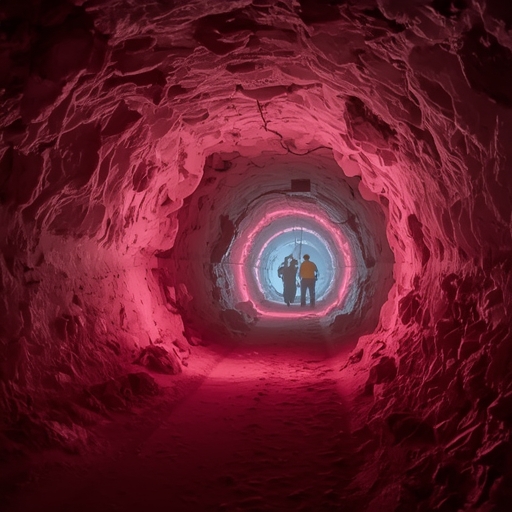
At first glance, the term “Himalayan salt” evokes an image of pristine peaks, remote mountain valleys, and ancient mineral deposits untouched by modern industry. Yet, the vast majority of this delicate rose-tinted salt does not originate from the towering Himalayas themselves. Instead, it is mined hundreds of miles away from that iconic mountain range, primarily from Pakistan’s Khewra region — a place rich in both geological wonder and historical intrigue.
This remarkable product, now fueling a global market worth an estimated half a billion dollars, tells a larger story about how origin, perception, and marketing converge to shape entire industries. What began as a simple mineral extraction has been elevated through strategic storytelling into a symbol of purity, wellness, and natural luxury. The “Himalayan” label, although geographically imprecise, capitalizes on the evocative power of the mountain’s name — a shorthand for nature’s grandeur and spiritual calm that resonates profoundly with consumers seeking authenticity in their health and lifestyle choices.
The salt’s pale pink hue comes from trace minerals, which lend it both its aesthetic appeal and its marketing allure. Promoted in everything from culinary dishes and spa treatments to decorative lamps, the product represents a fascinating intersection between global trade and modern wellness culture. Millions of consumers around the world sprinkle it on their food or display it in their homes, often unaware that it travels thousands of miles from its true point of extraction before reaching their shelves.
Beyond the romanticized branding lies a complex network of labor, logistics, and economic dependency. The mines themselves have been active for centuries, but globalization has dramatically expanded their reach and profitability. The modern pink salt trade underscores how storytelling can redefine a commodity’s value — transforming a common mineral into an object of aspiration. At the same time, it raises important questions about sustainability, equity, and transparency within global supply chains. Consumers are increasingly aware that what they buy carries not only cultural meaning but also ethical implications.
In essence, the pink Himalayan salt phenomenon is a case study in how perception can transcend geography. It offers a lesson for businesses and consumers alike: that the origin of a product is more than a point on a map — it is the foundation of its story, its identity, and its trustworthiness. Understanding the true journey of this luminous pink crystal reveals not only the beauty of the earth itself but also the intricate human systems that turn raw materials into global icons of taste and wellness.
Sourse: https://www.businessinsider.com/inside-pink-himalayan-salt-khewra-mine-fueling-500-million-market-2026-4