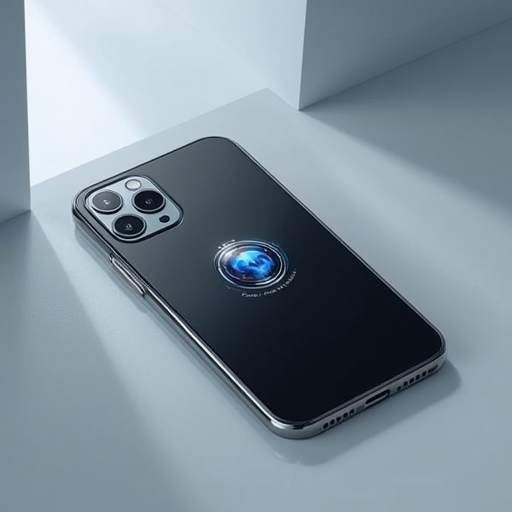
Exceptional ideas in technology often begin as sparks of ingenuity—tiny revelations that promise to reshape how we interact with our devices. Yet, as history has shown time and time again, the journey from concept to successful execution is rarely straightforward. The Selfix phone case for the iPhone 17 Pro stands as a perfect illustration of this delicate balance between vision and practicality. Designed with the noble intention of redefining the art of taking selfies, Selfix introduced a secondary rear-facing display that invited users to harness the power of the primary camera for front-facing shots. On paper, the idea gleamed with sophistication: professional-quality selfies without the trade-offs of a lesser front camera.
However, what appears elegant in theory can sometimes stumble once placed in the real world. Upon use, the Selfix case revealed the intricate challenges inherent in merging creativity with functionality. The rear display, while visually appealing, proved somewhat cumbersome during everyday use. Users quickly found that the added layer of technology—intended to simplify—introduced an unexpected complexity to what had previously been an instinctive gesture. Instead of effortlessly snapping improved photos, photographers were now contending with angles, reflections, and interface quirks that subtly disrupted the spontaneous spirit of self-photography.
Such outcomes serve as valuable lessons for innovators and designers alike. The difference between a groundbreaking invention and a curious novelty often lies not in ambition but in refinement—the delicate art of transforming an idea into an experience that feels natural, intuitive, and delightful. Selfix deserves recognition for daring to question conventions and challenging the limitations of standard phone accessories. Yet, it simultaneously underscores a fundamental truth about modern product innovation: cleverness must always work hand in hand with usability.
In the end, the Selfix case is not merely a failed gadget but an important reminder about the creative process itself. In the pursuit of technological progress, even promising concepts can falter if they lose sight of human-centered design. The world hardly suffers from a shortage of imagination; rather, it thrives when imagination is paired with disciplined execution. If the next generation of creators can learn from experiments like Selfix—embracing not only bold ideas but also the patient craftsmanship required to make them shine—the boundary between inventive dreams and practical elegance will forever continue to blur in inspiring ways. Would you, knowing its flaws, still be tempted to give Selfix a place in your own collection of curious innovations?
Sourse: https://www.theverge.com/tech/908251/dockcase-selfix-selfie-phone-case-hands-on


