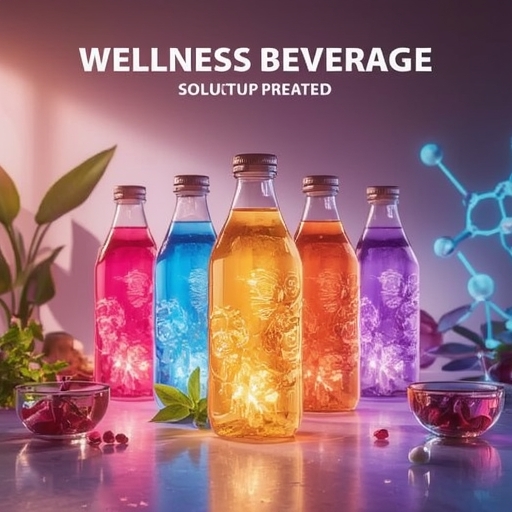
In recent years, the global beverage landscape has undergone a remarkable transformation, fueled by a growing demand for drinks that do far more than simply quench thirst. The functional beverage market—now estimated to exceed a staggering $200 billion—has evolved into a central force within the broader wellness economy. Consumers today are no longer content with standard hydration; they seek purposeful drinks enriched with beneficial ingredients that promise enhanced focus, better digestion, improved sleep, and overall physical or mental balance.
This accelerated shift reflects a deeper sociocultural movement, where the boundaries between nutrition, self-care, and performance optimization are increasingly blurred. From functional waters fortified with electrolytes and trace minerals to elixirs infused with mushrooms, adaptogenic herbs, and nootropics, nearly every corner of the beverage aisle is being reinvented under the banner of wellness. The success of such drinks lies not only in their perceived efficacy but also in their narrative appeal—each bottle tells a story of balance, rejuvenation, or mindful energy. As a result, consumers are beginning to view daily hydration as a proactive wellness ritual rather than a passive act of refreshment.
Brands competing in this space are finding that scientific credibility and authenticity are essential to building trust. Incorporating clinically researched ingredients such as probiotics for gut health, L-theanine for stress relief, or collagen peptides for skin vitality has become a way for companies to communicate measurable value. Meanwhile, the visual and emotional language used to market these products—clean design, minimalist typography, and earthy color palettes—reinforces the idea that each drink is part of an intentional lifestyle rather than a fleeting trend.
The economic implications are profound. This “wellness arms race” is attracting major food and beverage conglomerates and smaller boutique innovators alike, all vying for consumers who are increasingly informed and health-conscious. Startups that successfully merge transparency, sustainability, and sensory pleasure are redefining what it means to build a beverage brand in the twenty‑first century. Ingredients are sourced ethically, packaging is eco‑friendly, and production methods are designed to align with holistic wellness values.
Yet beyond the glossy marketing, the movement also raises important questions about how wellness is being commercialized. As the market expands, consumers are inundated with promises—some evidence‑based, others aspirational—making it crucial for brands to back up their claims with scientific validation. The challenge, therefore, is not merely to create another trend‑driven product but to sustain credibility in a crowded field where differentiation depends on both innovation and integrity.
Ultimately, the $200 billion functional drink boom reveals more than a fleeting fad; it signifies a paradigm shift in the way we nourish our bodies and minds. Today’s beverage is no longer just a refreshment—it is a carefully crafted expression of modern health aspirations. Whether it’s kombucha rich in living cultures, cold‑pressed juices teeming with phytonutrients, or adaptogenic tonics that promise serenity in a chaotic world, each sip embodies the union of science, nature, and self‑care. The result is a dynamic, fast‑evolving marketplace that continues to push the boundaries of what wellness tastes like, one thoughtfully formulated drink at a time.
Sourse: https://www.businessinsider.com/functional-drink-boom-wellness-arms-race-fiber-protein-adaptogens-nootropics-2026-4


