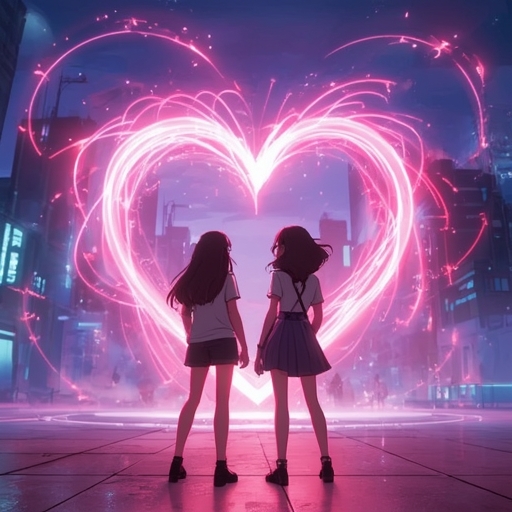
Years before “KPop Demon Hunters” became a cultural phenomenon capturing the global spotlight, the creative minds at Disney and Pixar had quietly nurtured another concept with an intriguingly parallel heartbeat. That earlier project, titled “Be Fri,” revolved around the deeply personal and imaginative bond between two friends whose relationship faces an extraordinary test when the fantastical world of their favorite anime unexpectedly materializes into their real lives. The premise offered a thoughtful exploration of emotional loyalty, adolescence, and the blurred boundary between fantasy and reality — powerful themes that resonate within Pixar’s legacy of emotionally intelligent storytelling.
What makes the story of “Be Fri” so compelling is not just its narrative potential but the insight it provides into the ever-shifting landscape of creativity within major studios. Every idea that enters the Pixar pipeline undergoes countless iterations: concepts merge, transform, or are abandoned, not necessarily because they lack brilliance, but often because timing, tone, or context move in other directions. The shelving of “Be Fri” is a poignant reminder that animation history is full of beautiful experiments — ideas brimming with imagination — that for one reason or another never made it to the screen. Yet these unseen projects often leave subtle fingerprints across future productions, influencing aesthetic styles, emotional arcs, or even character design philosophies.
Imagining “Be Fri” today invites fascinating questions about what it might have contributed to the evolving dialogue between Eastern and Western storytelling traditions. Its anime-inspired premise arrived years before mainstream Western animation began openly embracing Japanese influences. Conceptually, it could have bridged artistic sensibilities, merging Pixar’s signature emotional realism with the dynamic energy and stylized passion of anime.
While “Be Fri” was ultimately set aside, its existence within Pixar’s creative archive continues to spark curiosity among animation enthusiasts and storytellers alike. It stands as testament to the reality that innovation doesn’t always manifest as finished films. Some narratives remain hidden — preserved as quiet echoes within storyboards, sketches, and concept reels — yet their spirit contributes to an ongoing dialogue about imagination, diversity, and the ceaseless evolution of cinematic art.
As audiences rediscover lost histories of animation alongside the ascendance of new cultural milestones like “KPop Demon Hunters,” one truth becomes clear: the creative process is as much about the stories we tell as it is about those that never reach the screen. These unrealized concepts are not failures but essential stepping stones, enriching the ecosystem of ideas that allow the next generation of storytellers to dream bigger, merge worlds more freely, and redefine the bounds of what animated storytelling can be.
Sourse: https://gizmodo.com/before-kpop-demon-hunters-blew-up-disney-scrapped-a-pixar-movie-with-a-similar-vibe-2000745248


