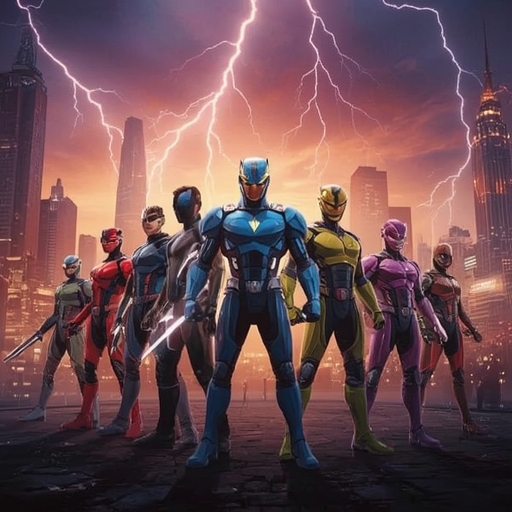
The 2017 *Power Rangers* reboot, though ultimately a standalone feature, was initially conceived as the first chapter in a vast four-film saga intended to revitalize the beloved franchise for a new generation. The creative team and studio envisioned an interconnected cinematic universe that could stand alongside the dominant superhero franchises of its era—one capable of weaving together expansive world-building, emotionally resonant character arcs, and visually striking action sequences. Each installment was designed to delve deeper into the mythology of the Power Rangers, gradually unfolding their origins, the mystical forces behind their powers, and the moral challenges that accompany their heroic duty to protect Earth.
However, despite its bold ambitions and nostalgic appeal, the reboot failed to ignite the pop culture momentum necessary to sustain such a large-scale narrative vision. The film’s reception, though not devoid of admiration for its earnest tone and modern reinterpretation, reflected a disconnect between audience expectations, marketing approach, and overall execution. As a result, the grand plans for subsequent films—and the broader cinematic universe they were meant to introduce—never advanced beyond conceptual discussions.
Had the saga continued, viewers might have experienced an evolution of tone and scope akin to other successful franchise models: stories growing darker and more mature as the Rangers faced increasingly formidable adversaries and personal dilemmas. There was substantial potential for exploring deeper dimensions of teamwork, identity, and sacrifice, themes at the heart of the Power Rangers legacy. These planned sequels could have expanded the lore—introducing new Ranger teams, ancient galactic conflicts, and legendary allies—thereby transforming the reboot into a fully realized mythos of heroism and unity.
Ultimately, the *Power Rangers* reboot serves as a fascinating case study in contemporary franchise filmmaking. It underscores that massive cinematic universes require not only a compelling story foundation but also careful synchronization between creative imagination, production strategy, and audience engagement. The 2017 film had the raw materials—a recognizable brand, dynamic visual potential, and a generation-spanning fan base—but stumbled in fusing these strengths into a resonant cultural phenomenon. Its unrealized potential invites reflection on how visionary concepts can falter without the delicate balance of artistic coherence and strategic foresight, leaving fans to wonder what extraordinary saga might have unfolded had the morphin’ power been channeled just a bit differently.
Sourse: https://gizmodo.com/damn-the-power-rangers-reboot-couldve-had-four-movies-2000745392