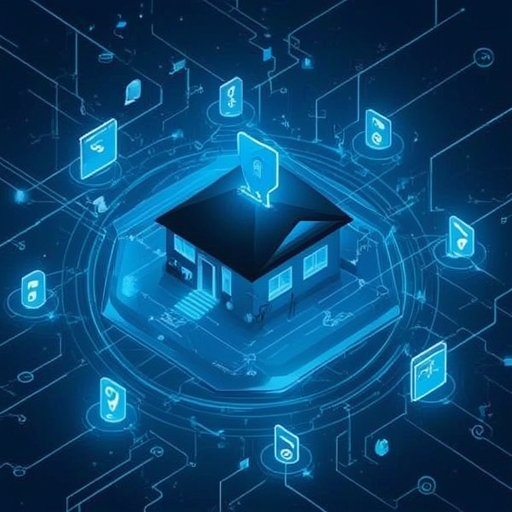
The landscape of executive security has undergone a profound transformation in recent years, extending well beyond the confines of corporate headquarters. No longer can personal protection for senior leaders be viewed as a luxury reserved for official settings—it has become an essential and continuous component of comprehensive risk management. Today’s leaders inhabit a world in which professional, personal, and digital lives are intricately intertwined, and therefore, their exposure to potential threats has multiplied accordingly. Events that have reached headlines highlight unsettling trends: intrusions at private residences, digital breaches targeting family networks, and increased visibility of executives in public spaces. Each of these developments underscores the critical need for organizations to rethink how they safeguard their most visible figures.
Traditional models of security—those centered only on secure offices, guarded entrances, and monitored corporate perimeters—no longer suffice. The modern executive’s environment is fluid, often stretching across continents and constantly intersecting with public and online domains. From travel itineraries and social media presence to confidential communications and smart home technologies, the range of vulnerabilities is vast and ever-expanding. To address these realities, companies must develop multifaceted protection plans that merge physical, cyber, and personal safety measures into a cohesive whole. Such strategies might include integrating digital surveillance monitoring, conducting privacy audits, and creating discreet yet effective emergency-response systems designed to operate seamlessly whether an executive is in the office, at home, or abroad.
Moreover, it is increasingly important for this evolving protection framework to incorporate collaboration between corporate security teams, cybersecurity experts, and qualified personal protection professionals. This holistic approach ensures that leaders are not only shielded from physical intrusion but also insulated from reputational or digital exploitation. For instance, proactive identity monitoring can prevent targeted phishing or impersonation, while hands-on training enables executives and their families to recognize early indicators of potential risk. Just as corporate networks are continuously audited for weaknesses, so too must personal environments be assessed and fortified.
In essence, safeguarding those who represent a company’s vision involves acknowledging that leadership roles today carry heightened visibility and, by extension, heightened vulnerability. Cultivating a culture of security awareness—where preparedness is woven into daily routines—demonstrates foresight and care at the highest levels of an organization. Executive safety, therefore, is no longer a matter confined to boardrooms or security briefings. It is a living, adaptive discipline, protecting leaders not merely as professionals, but as individuals whose well-being is integral to the stability and success of the enterprises they guide.
Sourse: https://www.businessinsider.com/security-professionals-weigh-in-following-altman-home-attack-2026-4