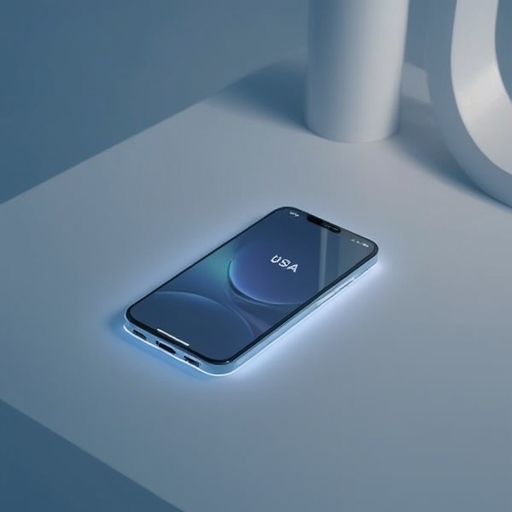
The long-anticipated so‑called “patriotic” smartphone—once heralded as a symbol of technological independence and national pride—has reappeared in the public eye sporting a thoroughly updated and polished design. Yet, despite its stylish exterior and apparent commitment to innovation, one crucial element remains conspicuously absent: a definitive release date. The product’s evolution has been followed almost like a political campaign—each teaser or announcement reigniting curiosity while simultaneously provoking frustration among would‑be buyers and industry observers alike.
What makes this device particularly intriguing is not merely its technological ambition, but the ideology draped around it. Originally introduced under the auspices of being “Made in the USA,” the smartphone promised to stand as a testament to domestic engineering, manufacturing excellence, and economic nationalism. However, as time has passed and more details have trickled out, that proud assertion has grown increasingly nebulous. Reports suggest that the supply chain may now lean on globally sourced components—a reality that challenges the notion of complete American manufacture and blurs the line between marketing rhetoric and production truth.
From a branding perspective, this repositioning exposes an all‑too‑common tension in the technology sector: the delicate balance between storytelling and substance. Consumers today are not merely purchasing a product; they are buying into the narrative surrounding it. A patriotic smartphone initially resonated as a bold form of counter‑cultural tech nationalism—a declaration that innovation could thrive domestically without heavy reliance on overseas assembly lines. But absent transparent disclosures about manufacturing and logistics, enthusiasm risks collapsing into skepticism.
From the viewpoint of market dynamics, such ambiguity can be perilous. In an ecosystem where Apple, Samsung, and emerging players already saturate consumer attention, any delay or inconsistency erodes competitive advantage. Moreover, by entwining its identity with political sentiment, the brand has placed itself under an especially unforgiving spotlight. Patriotism may rally interest, but it also magnifies scrutiny—particularly when claims of origin and authenticity waver.
Nonetheless, one cannot dismiss the symbolic significance of the project. Even in its uncertain state, it keeps alive the conversation about sustainable manufacturing, technological sovereignty, and the broader feasibility of reinstating complex electronics production within U.S. borders. If realized successfully, the phone could represent not only an innovative piece of hardware but also a cultural statement on reclaiming local industry.
For now, the sleek redesign stands as both promise and paradox. Elegant promotional imagery and polished prototypes project confidence and progress, yet the absence of concrete timelines undercuts that optimism. As consumers, analysts, and technologists continue watching for updates, the lingering question remains: is this project destined to embody a genuine technological renaissance, or will it ultimately become a cautionary tale about how political theater sometimes overshadows practical delivery?
Until official production begins and the first units actually reach customers, the so‑called American‑made smartphone hovers in a curious state of limbo—half vision, half vapor. Its story captures the modern tension between innovation, identity, and credibility, reminding the industry that design alone cannot substitute for fulfilled promises or verifiable transparency.
Sourse: https://www.businessinsider.com/trump-phone-gets-new-look-release-date-still-unclear-2026-4