Democratic lawmakers have launched a vigorous effort to counter a controversial proposal that threatens to impose significant restrictions on the scope of student loan forgiveness available to individuals serving in public sector professions. At the center of this intensifying political dispute lies the Public Service Loan Forgiveness (PSLF) program—an initiative originally designed to alleviate debt for teachers, healthcare workers, first responders, and other professionals whose careers contribute directly to the public good.
This renewed push from Democratic leaders underscores their belief that curtailing eligibility for PSLF would not only contradict the program’s founding intent but also deliver a detrimental blow to the nation’s workforce infrastructure. By making it more difficult for teachers in underfunded school districts, nurses in rural hospitals, and civil servants within local government agencies to qualify for forgiveness, critics argue the proposed reforms could discourage talented individuals from pursuing or remaining in essential public service careers. The debate therefore extends beyond fiscal considerations, touching upon the broader social value of investing in human capital serving the common good.
Supporters of the current system maintain that the PSLF framework represents a long-term financial commitment to strengthening communities and addressing labor shortages in critical sectors. They emphasize that modifying it too narrowly risks undermining morale and discouraging participation in professions already grappling with high turnover rates and limited pay compared to the private sector.
Conversely, advocates of reform, primarily on the opposing political side, claim that revisiting the program’s structure is necessary to ensure accountability, reduce unintended costs, and prevent misuse. Yet Democratic lawmakers counter that the real challenge is not excessive generosity, but rather the historical complexity and bureaucratic barriers that have already prevented many qualified applicants from receiving the assistance they were promised.
As legislative discussions unfold, the future of the PSLF program remains uncertain, symbolizing a broader national debate about how best to balance fiscal responsibility with the moral obligation to reward those dedicating their careers to public service. The outcome of this political standoff could influence not only the financial stability of millions of public employees but also the government’s ability to attract and retain skilled professionals in roles essential to the nation’s wellbeing.
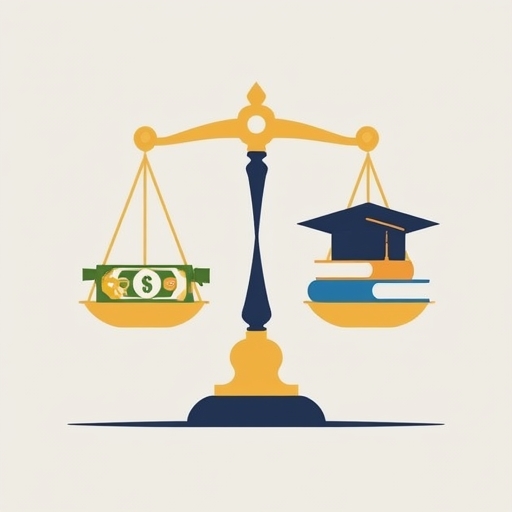
In essence, the current controversy over potential limits on student loan forgiveness encapsulates a fundamental question about national priorities: Should budgetary caution outweigh the long-term societal benefits of supporting those who serve the public interest? The answer will likely define the evolving intersection between education policy, economic equity, and the enduring value placed on public service in America.
Sourse: https://www.businessinsider.com/trump-limit-public-service-loan-forgiveness-pslf-new-pushback-democrats-2026-4