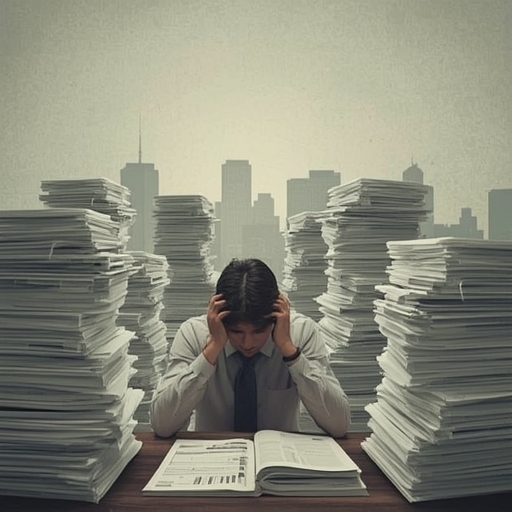
Private student loans represent one of the most unforgiving corners of modern personal finance — an aspect of borrowing that tends to reveal its harshest truths in moments of personal difficulty. While federal loans often come with deferment periods, income-driven repayment options, and structured forgiveness programs, private lenders rarely provide such safety nets. This reality becomes painfully clear when life’s unforeseen disruptions — the loss of a job, a medical emergency, or a sudden downturn in financial stability — collide with the unyielding machinery of debt repayment.
Consider the sobering experience of a borrower burdened with $137,000 in private student loans, facing a relentless $1,500 monthly payment even after losing steady employment. With no pause or relief available, this individual becomes emblematic of a much wider and growing issue: millions of borrowers who depend on federal protections may not realize how vulnerable they are if they refinance or take on private educational debt. The absence of federal safeguards can transform what was once a manageable obligation into a long-term financial trap.
Private lenders typically operate with a contractual rigidity that prioritizes repayment over circumstance. Unlike federal programs governed by public policy and designed with flexibility in mind, private loans function more like traditional consumer credit, where missed payments lead quickly to penalties, collection efforts, and long-term credit damage. For borrowers without the benefit of income-based options or deferment clauses, even a single disruption in monthly income can create a cascade of hardship.
Beyond the numbers, this issue raises broader questions about financial transparency and fairness. Many students and families accept private loan terms without fully appreciating the long-term implications — in part because the lending system itself often emphasizes access to funds over education about repayment realities. Once repayment begins, borrowers discover that private creditors are far less accommodating than federal systems, offering little empathy and few alternatives.
This situation underscores an urgent need for both better financial literacy and stronger consumer protections. The story of one borrower — one person struggling to stay afloat despite losing the income that once sustained their debt payments — serves as a critical reminder of what happens when profit-driven lending overshadows public responsibility. It also highlights the growing necessity of reform, where lending institutions must be held accountable for the transparency of their terms and the equity of their practices.
At its core, this moment is not only about one person’s hardship; it’s about a system that exposes borrowers to risks they seldom understand until it’s too late. A truly sustainable and ethical loan structure must recognize that human lives are fluid — that people face layoffs, illnesses, family crises, and economic shifts — and that a fair financial system should adapt accordingly. Until that happens, the hidden traps of private student loans will continue to ensnare countless borrowers in cycles of obligation they can neither escape nor fully repay.
Sourse: https://www.businessinsider.com/private-student-loan-debt-repayment-struggle-warning-for-federal-borrowers-2026-4