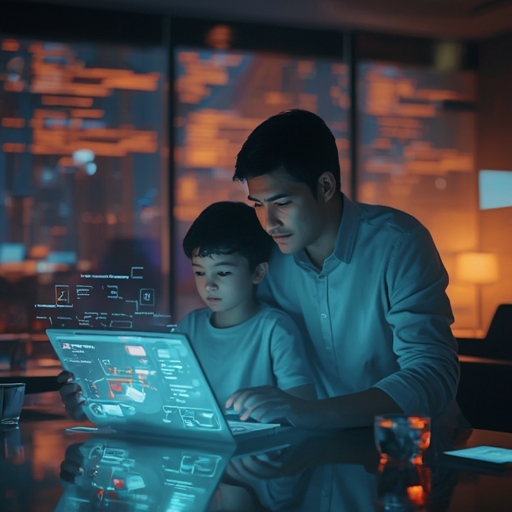
Spending an afternoon vibe-coding with my 8-year-old daughter turned into far more than a lighthearted weekend project—it became a profound reflection on how curiosity, creativity, and technology converge to shape the next generation. Over the course of just three hours, we transformed a tiny spark of imagination into a functioning app, but the true significance of the experience lay not in the lines of code, but in what those lines represented: empowerment, discovery, and the unfiltered joy of learning.
At first, my daughter’s fascination began with simple questions—“What happens if we change this color?” or “Can we make it move faster?”—yet each inquiry unfolded into an exploration of logic, structure, and design thinking. What amazed me most was how naturally she engaged with complex ideas that, to adults, often seem intimidating. By translating coding concepts into visual and playful challenges, she learned to break big problems into smaller, achievable steps—an essential mindset for both programming and life.
The atmosphere was a mixture of laughter and focus: her eyes lit up every time a small change in the code produced a visual transformation. It reminded me that innovation is not solely about expertise or efficiency but about maintaining a sense of wonder—the very mindset that drives progress in artificial intelligence and technology itself. In that moment, I realized that we’re not just building apps; we’re building confidence and capacity for critical thinking.
This brief coding session also served as a vivid illustration of how quickly AI continues to reshape the world around us. The tools we used, powered by intelligent algorithms and intuitive design interfaces, reduced the barriers that once made programming seem exclusive. My daughter didn’t need years of experience or specialized training—she needed curiosity and the chance to explore. Watching her navigate that creative space reaffirmed how important it is to give children early exposure to technology that inspires, not intimidates.
As AI advances at an unprecedented pace, the ability to collaborate with it—rather than fear it—will become a defining skill of tomorrow. Teaching children how to build with technology prepares them for a future in which coding becomes an expression of creativity as natural as painting or storytelling. The earlier they begin experimenting in that world, the more readily they’ll understand it and shape it responsibly.
Parents, mentors, and educators share an extraordinary opportunity: to nurture curiosity into confidence and ensure that our children become thoughtful creators rather than passive consumers of emerging technologies. Whether your child is eight or eighteen, their journey into the digital realm can begin with something as small as an afternoon project—a simple exploration that may ignite a lifelong passion.
The three hours my daughter and I spent coding together reaffirmed a timeless truth in a modern context: learning thrives when it’s shared, and inspiration multiplies when curiosity is encouraged. The future belongs to those willing to explore, to play, and to build—and what better way to begin that journey than by creating something together, line by line, idea by idea, hand in hand.
Sourse: https://www.businessinsider.com/vibe-coding-8-year-old-daughter-ai-start-early-2026-4


