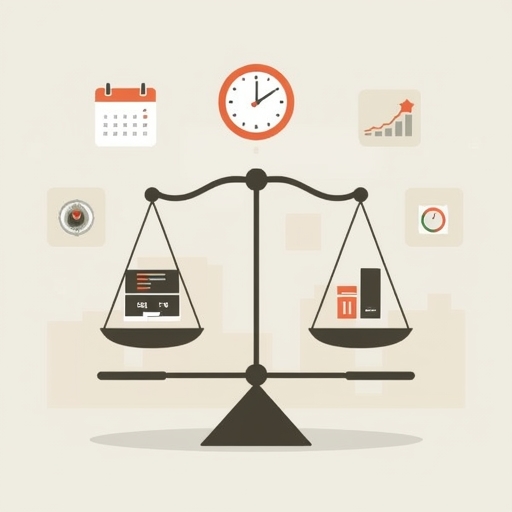
Across various industries, a noticeable trend is emerging: some companies are beginning to curtail or scale back paid leave and paid time off policies. This development has ignited widespread and passionate debate among employees, employers, and workplace experts alike, particularly around the delicate equilibrium between professional demands and personal well-being. Paid leave has long been seen as more than just a benefit — it represents a tangible acknowledgment of employees’ need for rest, recovery, and family time, as well as a company’s broader philosophy concerning trust, flexibility, and respect for its workforce.
The reduction of these benefits inevitably raises questions about how such changes might reverberate within organizational structures. On one hand, employers may argue that evolving business conditions, financial constraints, or shifting productivity models necessitate the reevaluation of existing leave policies. On the other hand, workers and advocates for employee rights express concern that cutting back on time-off provisions could erode morale, dampen productivity over the long term, and ultimately weaken retention. Studies have consistently suggested that employees who feel supported through adequate rest and personal time tend to be more engaged, creative, and resilient.
Beyond the immediate implications for staff satisfaction, these shifts carry significant symbolic weight. Compensation packages that include generous leave policies are often viewed as a reflection of company culture — a signal to current and prospective employees about how much the organization values its people. Therefore, when policies begin to contract, observers interpret the move not merely as a logistical or financial change but as a potential indicator of a deeper philosophical reorientation within corporate priorities.
This ongoing conversation has also unfolded publicly on digital platforms with remarkable intensity. Thousands of professionals, from human resources specialists to team leaders and individual contributors, are voicing their perspectives and sharing personal experiences. Many express worry that scaling back these benefits could create ripple effects by increasing burnout, discouraging loyalty, and making it harder for organizations to compete in the labor market. Others believe such decisions highlight an urgent need to redefine productivity and success — shifting away from hours logged and toward sustainable performance supported by balanced rhythms of effort and recovery.
In essence, the debate over paid leave and PTO is not merely administrative; it goes to the heart of how we conceptualize work itself. It challenges organizations to reconcile operational efficiency with empathy, and to recognize that fostering well-being is not a luxury but a cornerstone of lasting productivity. Whether this trend signals the beginning of a new corporate era or a regression to pre-pandemic norms remains to be seen, but the intensity of the discussion underscores one key truth: work-life balance continues to be a defining factor in how modern professionals measure the quality of their careers and the organizations they dedicate their time to.
Sourse: https://www.businessinsider.com/readers-weigh-in-story-parental-leave-pto-reduction-2026-4


