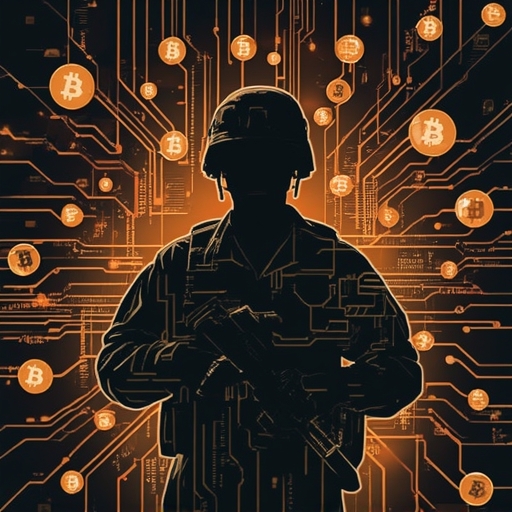
In a striking and deeply revealing development that underscores the evolving risks in our interconnected digital economy, authorities have apprehended a member of the special forces who allegedly exploited highly classified information to gain an illicit advantage within the world of decentralized finance. According to the investigators, this soldier is accused of transferring confidential national security insights—information ordinarily protected under the utmost secrecy—into personal profit by placing a calculated wager on the prediction platform Polymarket, earning a total of approximately four hundred thousand dollars.
This unprecedented case sits at the volatile intersection of military ethics, cybersecurity, and the unregulated expanses of blockchain-based markets. It highlights an urgent and uncomfortable question for modern societies: what happens when the guardians of state secrets operate in an age where data, speculation, and code move faster than the mechanisms of oversight? The blending of national intelligence and public, immutable digital ledgers introduces an ethical paradox never before encountered on such a scale.
Beyond its sensational details, the incident forces governments, regulators, and blockchain innovators alike to confront the rising tensions between technological openness and the confidential nature of state affairs. Polymarket, like other decentralized platforms, thrives on transparency and algorithmic trust, yet in this scenario, that very transparency was weaponized by insider knowledge originally intended for defense, not personal enrichment. It suggests that the digital frontier—once heralded as a democratizing force—can just as easily become a haven for sophisticated misconduct.
The implications extend far beyond one soldier’s actions. In the increasingly entangled architecture of Web3, predictive markets and decentralized assets blur traditional boundaries between commerce, intelligence, and accountability. Governments must now consider whether existing frameworks of law and discipline are sufficient to prevent similar breaches of ethical and national duty in the future. Equally, blockchain communities and entrepreneurs are tasked with introducing new patterns of compliance without undermining the principles of decentralization that define their innovation.
Ultimately, this case encapsulates a defining dilemma of the twenty-first century: the dual-edged nature of information in a world where transparency and secrecy coexist on the same technological stage. For the global public, it serves as a sobering reminder that progress does not eliminate old vulnerabilities—it merely transposes them into new, more complex arenas where technology, governance, and morality continue to collide.
Sourse: https://techcrunch.com/2026/04/23/authorities-arrest-special-forces-soldier-who-allegedly-made-400k-on-polymarket-bet-involving-maduro-operation/


