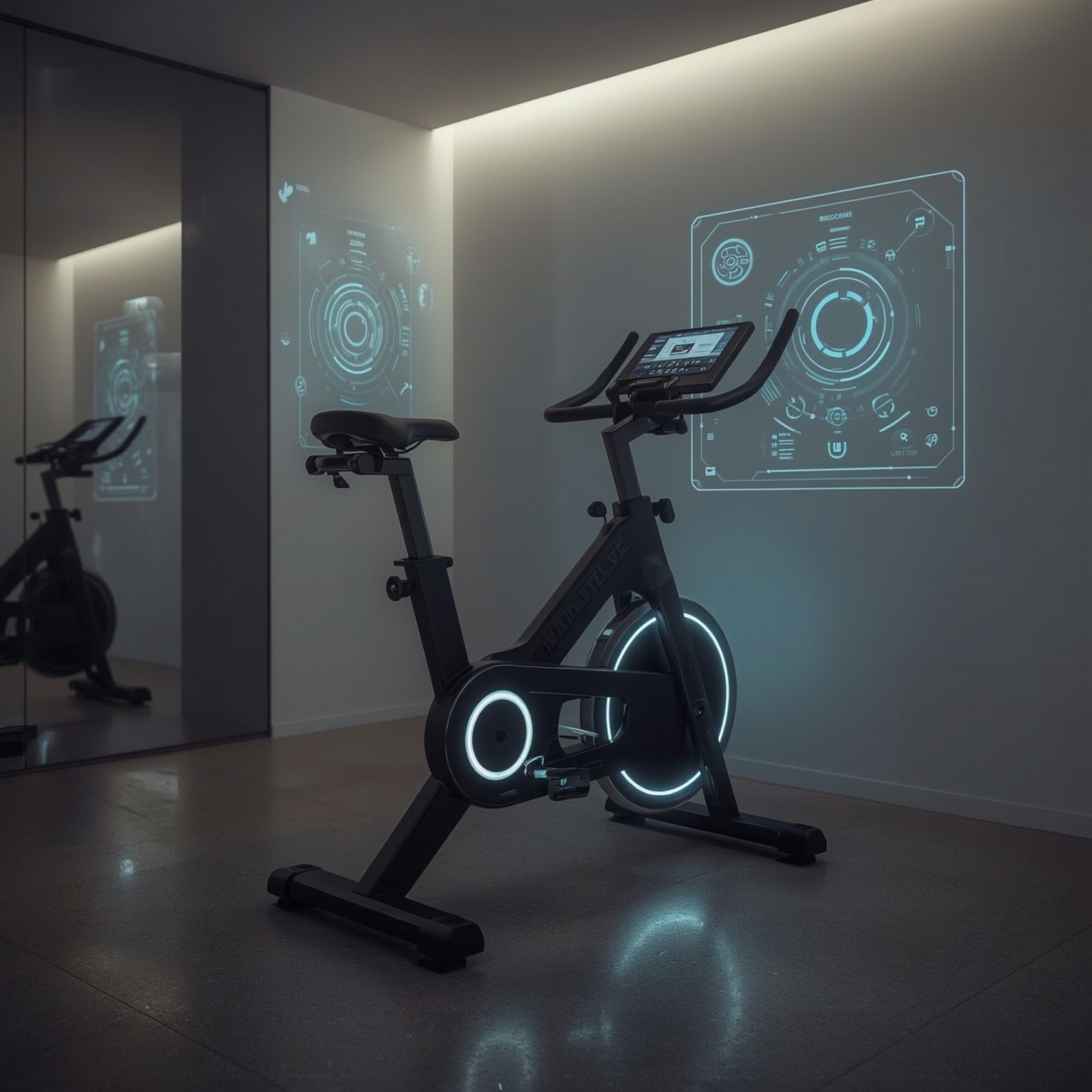
Peloton, once celebrated as the crown jewel of at-home fitness innovation, is pursuing nothing short of a bold reinvention as it attempts to stage a dramatic resurgence in time for the lucrative holiday season. Following its meteoric success during the height of the COVID-19 pandemic—when consumers sought virtual workouts as an alternative to gyms—the company experienced a sharp decline, struggling to maintain momentum in a post-pandemic world. Now, with its latest portfolio of product launches, Peloton is wagering heavily on artificial intelligence as the cornerstone of its revitalization strategy.
At the center of this ambitious rollout is the Tread+, a premium treadmill priced at $6,695 that integrates AI-driven features designed to transform individualized training. This release does not stand alone: it arrives as part of a sweeping revamp of Peloton’s entire Cross Training Series. The overhaul places personalization and technological sophistication at the forefront, equipping users with tools such as motion-tracking cameras that monitor workout form and provide corrective feedback in real time. These advancements exemplify Peloton’s commitment to bridging the gap between machine-based workouts and human-like coaching experiences.
The company unveiled five substantial product offerings during its launch event on Wednesday. These included refreshed iterations of its iconic exercise bike and treadmill lines, as well as the introduction of a completely new rowing machine model. Among the most significant upgrades, the high-end Bike+, Tread+, and Row+ now feature Peloton IQ, a proprietary AI-enabled coaching platform. This system operates much like a digital personal trainer: it can count repetitions with precision, assess form accuracy, recommend adjustments in weight selection, and even propose tailored training regimens. The implication is clear—Peloton intends to elevate home workouts into an experience that mirrors professional, in-person guidance.
Other notable improvements extend beyond AI. A newly engineered swiveling display, marketed as ‘advanced,’ allows for effortless transitions between cycling sessions and alternative disciplines such as yoga, Pilates, or strength training routines. Enhanced WiFi capability ensures that streaming Peloton’s extensive library of immersive classes, which exceeds 50,000 in number, feels smoother and more reliable for users around the globe. However, these enhancements are coupled with price increases across the board. For instance, the flagship Bike saw its price rise by $150 to a new total of $1,695, while the upgraded Bike+ now carries a steeper tag of $2,695—a $200 jump. Similarly, the entry-level treadmill increased by $300 to $3,295, while the high-end Tread+ surged by $700 to reach $6,695. Even the digital subscription service, which grants access to Peloton’s expansive library, will grow costlier: monthly membership fees are rising for the first time in three years, from $44.99 to $49.99.
Commenting on the reasoning behind these adjustments, a spokesperson emphasized that Peloton continues to offer an unmatched value proposition. Highlighting the breadth of its on-demand catalog, which spans more than 50,000 classes, paired with continuous product and content innovations, the company argues that its ecosystem remains substantially more cost-effective when weighed against boutique studio classes, gym memberships, or the hiring of private trainers. Furthermore, in response to questions regarding the role of AI integration, the company stressed that these enhancements are intended not to diminish the expertise of its celebrated trainers, but rather to amplify their reach and give members a fully augmented experience. As the spokesperson succinctly put it, Peloton envisions artificial intelligence as a complementary force, a supportive tool meant to extend and enrich, rather than replace, human instruction.
This sweeping update constitutes the most significant product pivot since the appointment of CEO Peter Stern in January. A seasoned executive with prior leadership tenures at Apple and Ford, Stern was brought in with a clear mandate: to engineer a turnaround for the embattled fitness company. His strategic vision has not been limited to product introductions; in August, he implemented workforce reductions affecting nearly 6% of Peloton’s employees, a stark reminder of the financial pressures still burdening the firm. Beyond internal restructuring, Peloton has also weathered reputational and regulatory setbacks. These include the forced recall of 125,000 treadmills following safety hazards, a move that culminated in a $19 million fine levied by the Consumer Product Safety Commission. Compounding its challenges, the company has seen frequent turnover in a critical leadership role, cycling through four Chief Marketing Officers since 2020.
Investor sentiment remains skeptical, as Peloton’s market performance continues to reflect the weight of its difficulties. Following a stock price peak in January 2021, shares have collapsed by more than 90%, a collapse underscoring the gravity of the trust deficit among shareholders. Even the recent wave of AI-driven product announcements has not been met with unequivocal enthusiasm from the investment community. Though Peloton shares displayed modest optimism in premarket trading on the day of the launch, those gains swiftly evaporated, with stock closing down 3.67% compared to the prior day’s value. This reaction suggests that, while markets may acknowledge Peloton’s ambition, doubts persist about the feasibility of its comeback strategy.
As of now, the company has not provided additional commentary on these developments. What remains clear, however, is that Peloton is pursuing a pathway rooted in technological innovation, premium product positioning, and elevated pricing—all under the guiding hand of a new chief executive attempting to restore confidence in a brand that once symbolized the future of connected fitness. Whether these bold steps will be enough to reclaim its former prominence remains an open question, one that the holiday season and subsequent quarters will reveal in stark detail.
Sourse: https://www.businessinsider.com/peloton-cross-training-series-membership-price-increase-2025-10