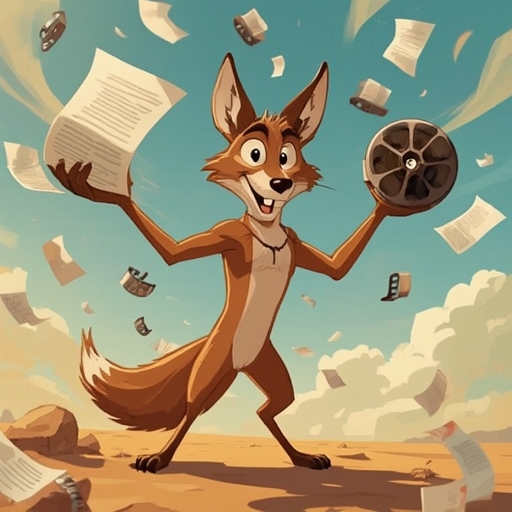
When Warner Bros. Discovery quietly decided to shelve *Coyote v. Acme*, what might have once passed as a routine cost-cutting measure instead erupted into a public relations maelstrom—one that the studio could neither spin nor contain. The move quickly transcended the confines of a normal Hollywood business decision, evolving into a broader cultural flashpoint that illuminated the growing rift between corporate efficiency and artistic expression. In an era when creative communities are more interconnected and vocal than ever, even a seemingly internal studio choice can ignite intense global scrutiny within hours.
The backlash served as a vivid lesson in the power of transparency, or rather, the peril of disregarding it. Fans, journalists, filmmakers, and industry workers collectively questioned how a completed, critically praised film could simply vanish into financial abstraction. The narrative that took hold—of an animated hybrid feature unjustly locked away to secure a tax benefit—resonated far beyond Hollywood’s echo chambers. It became symbolic of a wider anxiety: that corporate impulses toward consolidation and profit often suppress the very creativity that audiences cherish and studios rely upon for long-term relevance.
Under David Zaslav’s cost-conscious leadership, Warner Bros. Discovery had already established a reputation for cutting ambitious projects before they reached audiences. Yet *Coyote v. Acme* broke a psychological threshold. The decision struck many as an affront not just to individual creators but to an industry’s collective sense of purpose. It also underscored that the audience, once a passive end-user of studio output, has become an active stakeholder with extraordinary influence over reputational and business outcomes. The outpouring of criticism forced executives to reckon with a new reality: creative communities now wield the combined force of public indignation and digital mobilization.
In the digital economy, perception is capital. Attempts to suppress art in secrecy no longer remain private—they become instantly amplified by social media discourse and investigative reporting. What Warner Bros. Discovery perhaps envisioned as a cost-saving maneuver instead transformed into a costly credibility crisis, fueling skepticism about its stewardship of artistic properties. Within days, studio professionalism was scrutinized across trade publications, filmmaker associations, and online panels. Transparency, once treated as a mere public-relations posture, emerged as a strategic necessity for sustaining corporate legitimacy.
Ultimately, *Coyote v. Acme*’s ordeal became more than a single production’s tragedy; it crystallized a generational shift in how audiences and creators engage with media conglomerates. The story emphasizes that in the streaming age, silence breeds suspicion, and suppression invites revolt. Those who control the means of distribution can no longer control the narrative itself. In the end, the studio’s attempt to bury a quirky, heartfelt film only spotlighted the very spirit of resilience it sought to suppress—transforming a would‑be forgotten project into a rallying cry for accountability, integrity, and the enduring value of creative freedom.
Sourse: https://www.theverge.com/column/918079/david-zaslav-warner-bros-discovery-coyote-v-acme-batgirl-tax-writeoffs


