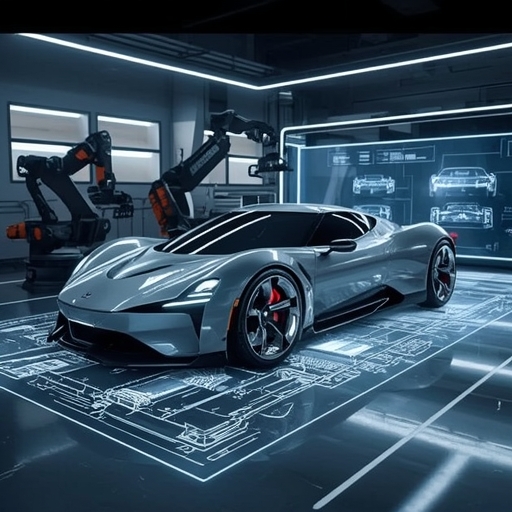
The transformation of automotive design through artificial intelligence represents one of the most profound shifts in creative engineering since the birth of the automobile. Once upon a time, the design of a car began with a humble pencil sketch—an artist’s impression laboriously refined through countless iterations, scale models, and collaborative reviews before advancing toward manufacturing. Today, this linear process is being redefined by machine intelligence capable of analyzing immense datasets, synthesizing innovative shapes, and learning from both aerodynamic principles and aesthetic patterns accumulated over decades of design history.
Artificial intelligence acts not as a replacement for human imagination, but as an extraordinarily powerful collaborator. It amplifies creativity by turning abstract concepts into viable, data-informed 3D designs within hours rather than weeks. Designers can now generate multiple prototypes simultaneously, each adapted to distinct preferences such as energy efficiency, stylistic appeal, or ergonomic comfort. This generative capacity allows human creators to focus less on repetitive adjustments and more on refining the emotional character and user-centered experience of each vehicle.
In practice, AI-driven design tools integrate deep learning algorithms with advanced simulation environments, enabling virtual prototypes that predict how a car will perform under real-world conditions. Aerodynamics, safety, and sustainability are no longer separate stages of development—they become part of a continuous, intelligent feedback loop. For example, when an algorithm detects an opportunity to reduce drag without compromising visual harmony, the designer receives immediate recommendations that can be tested in a virtual wind tunnel before any physical model exists.
This emerging synergy between human intuition and computational precision heralds a new aesthetic era. Cars conceived through AI-guided processes often present fluid, futuristic silhouettes that seem sculpted by algorithmic artistry rather than manual engineering constraints. Yet behind these organic forms lies a deep computational logic—each contour refined for purpose, efficiency, and beauty.
Beyond the workshop, this technological evolution has profound industrial implications. Automated design not only accelerates production cycles but also democratizes creativity across multidisciplinary teams. Engineers, artists, and digital modellers can now collaborate within shared virtual environments, seamlessly merging artistic experimentation with scientific validation.
Ultimately, the AI-designed car remains a human vision at its core—an embodiment of our desire to enhance mobility through intelligence and imagination. What distinguishes this revolution is not the disappearance of the designer, but the elevation of design itself: a harmonious union of data, creativity, and technology that drives the automotive world closer to a sustainable, elegantly engineered future.
Sourse: https://www.theverge.com/transportation/918411/gm-ai-car-design-nissan-neural-concept


