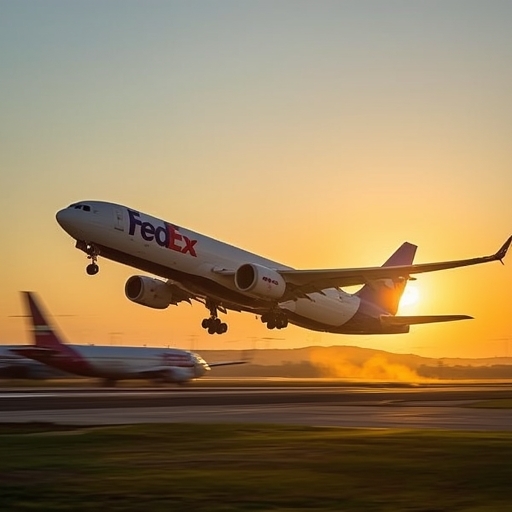
FedEx is entering a new phase of operational revitalization as it prepares to reactivate its grounded MD-11 aircraft fleet this May—a decisive measure aimed at significantly enhancing the company’s overall logistical agility and financial efficiency. By bringing these widebody cargo planes back into circulation, the global shipping leader seeks to strategically diminish its dependence on leased aircraft, thereby reinforcing internal control over its fleet structure and cost base. This calculated move is not merely a logistical adjustment but a deliberate expression of forward-thinking fleet governance designed to ensure both economic sustainability and long-term competitiveness in an evolving transportation landscape.
The reintroduction of the MD-11s underscores FedEx’s commitment to leveraging existing assets more effectively, ensuring that no valuable resource remains dormant while demand dynamics fluctuate across the global air cargo network. Rather than relying primarily on external leasing arrangements—which often entail higher costs and limited flexibility—the company is optimizing utilization of its owned aircraft to meet shifting seasonal and market demands more efficiently. This approach exemplifies how a mature logistics enterprise can balance capacity management with fiscal prudence, aligning daily operations with overarching strategic objectives.
By prioritizing the rejuvenation of its established MD-11 fleet, FedEx demonstrates a keen awareness of industry evolution and competitive pressures. Modern air freight operations increasingly require adaptability, precision, and data-informed decision-making. The MD-11, though not the most recent model in FedEx’s portfolio, continues to represent a highly capable long-range asset when operated within a disciplined and cost-conscious framework. Returning these aircraft to active duty will not only mitigate leasing expenditures but also streamline maintenance planning, reduce idle capital, and enhance schedule reliability—each an essential component of a high-performance logistics architecture.
In effect, this initiative functions as both a strategic cost-saving measure and a reaffirmation of FedEx’s role as an innovator in global supply chain management. The deliberate reintegration of existing aircraft mirrors a broader industry trend toward maximizing the return on owned assets rather than pursuing continuous fleet expansion. Moreover, it signals FedEx’s enduring dedication to environmental stewardship and operational accountability by making more efficient use of the hardware it already possesses rather than allocating capital toward new production.
Ultimately, the move reflects a sophisticated understanding of the interplay between operational efficiency, financial discipline, and long-term strategic positioning. By taking proactive steps to calibrate its fleet composition ahead of evolving market needs, FedEx reinforces its reputation as a logistics powerhouse—one capable of transforming short-term tactical choices into enduring competitive advantages. The decision to restore the MD-11s to service stands as a nuanced yet powerful affirmation of the company’s ongoing commitment to performance optimization, cost containment, and intelligent asset management within the global aviation ecosystem.
Sourse: https://www.wsj.com/business/airlines/fedex-plans-to-return-grounded-md-11s-to-service-in-may-e2ad80ac?mod=pls_whats_news_us_business_f


