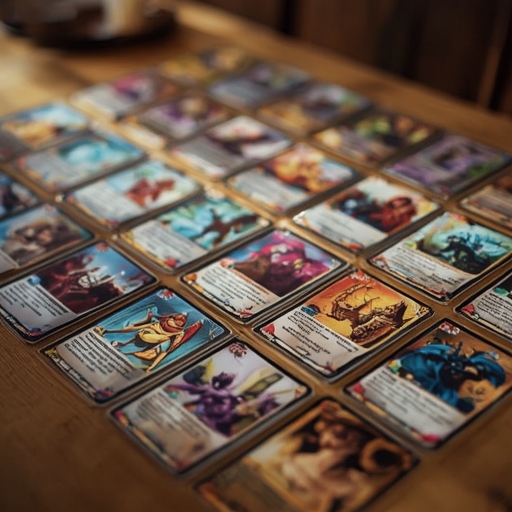
When I finally decided to have my extensive collection of Pokémon and K-pop cards—spanning more than five hundred individual pieces—professionally appraised, I expected a straightforward verdict of market worth. Instead, what I received was a fascinating lesson in the psychology of value, nostalgia, and long-term financial reasoning. The assessor, an experienced expert in collectible evaluation, approached each card with meticulous attention, explaining how condition, rarity, cultural relevance, and market dynamics interact to determine price. It soon became obvious that collecting is not simply a pastime driven by sentimental attachment, but in many respects a microcosm of investment behavior.
Some cards, especially the scarcer first-edition Pokémon prints and limited K-pop fan editions, carried impressive monetary value, sometimes exceeding expectations tenfold. Others—despite holding tremendous emotional value from childhood memories or fandom devotion—barely registered beyond symbolic worth. This distinction was profoundly revealing: the emotional stories we associate with possessions often diverge from the objective valuation the market assigns. While the appraiser positioned my most prized items as strong candidates for auction or private sale, their commentary also reminded me that timing and patience are integral; today’s undervalued card can surge in price tomorrow when demand resurfaces among passionate fans or new collectors.
What became even more apparent through this process was how nostalgia acts as both a motivator and a distortion in personal finance. The visceral thrill of revisiting childhood icons—whether animated creatures or beloved pop idols—creates a sense of comfort that influences judgment. The assessor compared this phenomenon to investors who hold stocks not because of fundamental strength but because of emotional loyalty. Both collecting and investing require discipline: knowing when to sell, when to hold, and when to simply enjoy ownership without expectation of gain.
Walking away from the appraisal, I realized that my collection represented more than potential profit; it embodied an evolving lesson in patience, market cycles, and emotional awareness. Collectibles occupy a rare intersection between sentiment and strategy, offering a tangible reflection of value shaped by culture and time. The experience left me wondering—not just what my cards were worth in dollars—but what they signified about how we assign meaning and manage risk in every other aspect of our lives.
Sourse: https://www.businessinsider.com/card-collecting-pokemon-kpop-photocard-pro-assessor-value-psa-grading-2026-4


