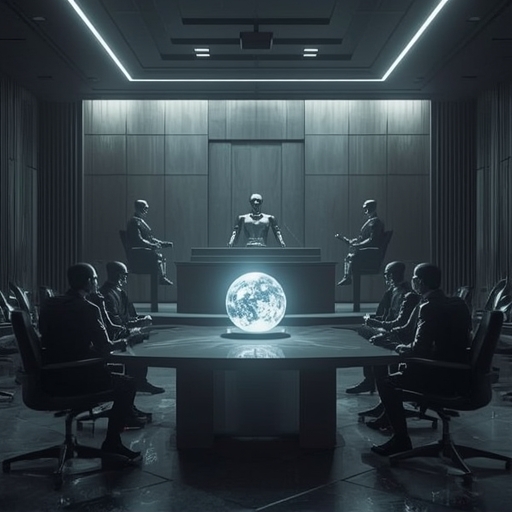
Elon Musk’s recent appearance in the OpenAI trial has done far more than merely capture media attention—it has opened a deep and complex window into the formative years of artificial intelligence and the difficult moral questions that continue to define this field today. His testimony, centered on the early discussions about AI safety and the strategic direction of OpenAI, underscores a tension that has existed since the inception of the organization: the balance between innovation at breakneck speed and the responsibility to safeguard humanity from the unintended consequences of that same progress.
By addressing concerns that date back to OpenAI’s foundation, Musk’s remarks shed light on how many of the anxieties about artificial intelligence—its potential misuse, lack of transparency, and concentration of power—have not only persisted but evolved as the technology has advanced. The court proceedings are not simply revisiting corporate disagreements; they are symbolically testing how modern society interprets its obligation to control technologies that could one day surpass human capability. The courtroom becomes an arena where ideals of open research, collective responsibility, and ethical foresight are confronted by the realities of competition, profit, and geopolitical urgency.
This case also prompts a reconsideration of what true transparency and accountability mean within the context of AI development. The tension between openness and proprietary secrecy lies at the heart of this debate. Musk’s insistence on disclosing the motives and methods behind powerful AI models reflects a broader philosophical question—should those shaping artificial intelligence act as guardians of collective safety or as private entities pursuing strategic dominance? The answer is neither simple nor universally agreed upon, but the discussion itself is an essential step toward a more conscientious technological future.
Observers from academia, policy, and industry have noted that this trial, while legally specific, will have effects that echo well beyond a single courtroom. It amplifies the broader conversation about the moral architecture of innovation: how should societies nurture creativity and progress while ensuring that emerging technologies remain fundamentally aligned with human values and safety? The public’s growing awareness of these dilemmas indicates that questions of ethics and regulation are no longer the concern of specialists alone—they are collective responsibilities to be continuously negotiated.
Ultimately, Musk’s testimony acts as a reminder that artificial intelligence is not only a technical frontier but also an ethical one. As the OpenAI trial unfolds, it compels policymakers, technologists, and citizens alike to reflect on how ambition should coexist with caution. The issues debated within the courtroom mirror the very challenges that will shape the coming decades—whether innovation will remain a tool for human flourishing or evolve into a force that outpaces our moral governance. In this sense, the trial stands as a modern parable of technology’s dual nature: a source of limitless potential that demands equally limitless wisdom, restraint, and responsibility from those who create it.
Sourse: https://www.businessinsider.com/elon-musk-testimony-sam-altman-trial-openai-california-courtroom-2026-4


