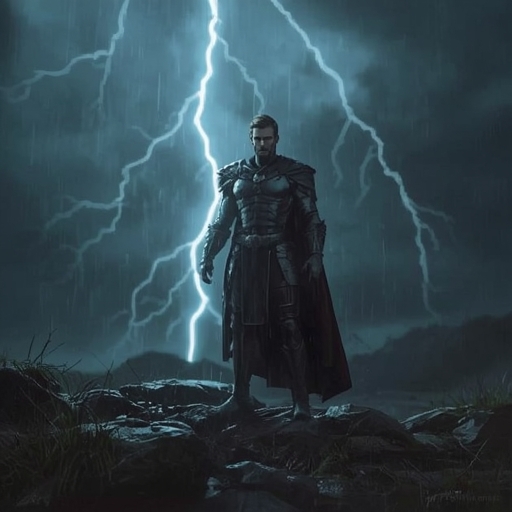
Kenneth Branagh, the celebrated filmmaker and acclaimed actor who directed the first installment of Marvel’s *Thor*, once conceived a sequel that would have followed a drastically different creative path—a path far removed from the humorous and brightly cosmic tone that later defined the series. In this unrealized vision, Branagh imagined a story deeply reminiscent of the somber and emotionally charged atmosphere found in films such as *Logan*. Instead of emphasizing spectacular battles set against galactic backdrops or the playful charm of divine heroism, his version aimed to explore the god’s internal struggles, moral doubts, and existential burdens. It would have delved into the psyche of Thor as both deity and man, examining the fragility that lies beneath the thunderous power.
His concept suggested a narrative focused less on the grandeur of Norse myth and more on the human condition within that mythic framework—probing Thor’s loneliness, his relationship with his destiny, and the weight of leadership he must bear as protector of both Asgard and Earth. The tone, thus, would have been intimate and meditative rather than overtly comic, transforming the story into a character study of loss, redemption, and defiance in the face of fate. One might imagine such a film presenting sweeping yet melancholic visuals: the storm god wandering through desolate realms, lightning reflecting sorrow rather than spectacle, his journey marked by introspection rather than triumphant conquest.
Branagh’s idea evokes a fascinating reflection on artistic direction and narrative tone. The Marvel Cinematic Universe has often balanced light-hearted adventure with emotional resonance, but a darker, more reflective *Thor* might have fundamentally altered the franchise’s identity. This hypothetical sequel could have aligned more closely with grounded, mature superhero storytelling, prioritizing raw emotion and thematic depth over spectacle. Viewers would have been invited to witness a version of Thor that confronts the pain of immortality and the cost of godhood—a version comparable to the weary resolve shown in *Logan*, where heroism emerges not from unstoppable power, but from vulnerability and moral endurance.
Ultimately, while this vision never left the realm of imagination, Branagh’s revelation sheds light on the delicate balance between creative ambition and studio trajectory. It also reignites curiosity about how differently the Marvel saga might have unfolded had this darker, emotionally immersive vision been realized. Would audiences have embraced a more tragic, nuanced portrayal of the God of Thunder? Perhaps we will never know—but in contemplating it, we glimpse the profound influence that tone and storytelling choices exert on a cinematic universe that continues to redefine modern mythmaking.
Sourse: https://www.businessinsider.com/kenneth-branagh-thor-sequel-more-serious-tone-2026-4


