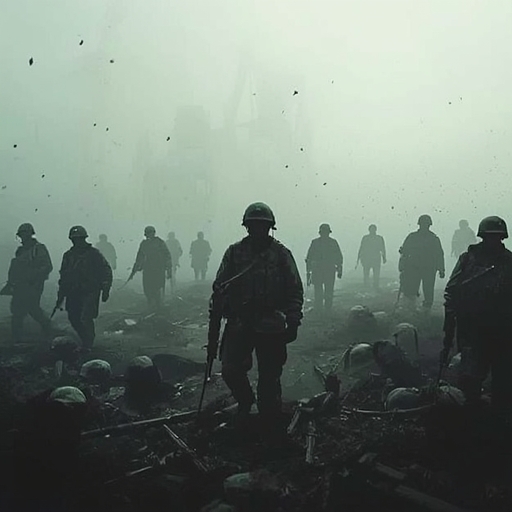
In recent days, reports have emerged that deliver a deeply unsettling depiction of the psychological consequences of modern warfare. According to these accounts, certain groups of soldiers, facing unbearable circumstances on the battlefield, allegedly chose to end their own lives rather than submit to capture by opposing forces. This revelation, while profoundly tragic, serves as a compelling and distressing indicator of the overwhelming pressure, fear, and moral anguish that can define the experience of combatants in contemporary conflicts.
This situation underscores more than just a moment of despair; it illustrates the corrosive impact prolonged conflict has on human resilience and moral reasoning. The mental and emotional strain imposed upon soldiers, who are expected to demonstrate unwavering strength in situations of chaos and peril, often drives them to confront choices that no one should ever have to face. When life becomes inseparable from humiliation, torture, or perceived betrayal of duty, self-destruction tragically emerges as an act of personal agency — an ultimate, albeit harrowing, assertion of control. These acts force society to confront the enormity of suffering that extends beyond physical casualties to the invisible scars of psychological torment.
The implications are immense. Beyond the ethical questions surrounding warfare, this phenomenon invites a re-examination of military structures, mental health support, and leadership accountability. How do we provide genuine psychological support for individuals who operate in environments where dehumanization and constant threat distort the boundaries of reason? The question extends beyond the battlefield — reaching into the global conscience and challenging nations to seek diplomatic resolutions instead of perpetuating cycles of violence that consistently erode humanity’s collective spirit.
It is essential, therefore, to interpret these reports not merely as isolated tragedies but as an urgent call to action. The modern world, intertwined by media, politics, and economic interests, must recognize that each act of despair in war symbolizes the failure of dialogue, cooperation, and compassion. To honor those who suffer under the weight of such decisions, efforts must focus on advancing peacekeeping initiatives, strengthening mental health interventions, and cultivating international empathy. Only through the deliberate pursuit of understanding can humanity hope to construct a reality in which life — in all its complexity and fragility — is valued above fear, honor, or vengeance.
Sourse: https://www.businessinsider.com/kim-jong-un-north-korea-self-detonation-grenade-kursk-ukraine-2026-4


