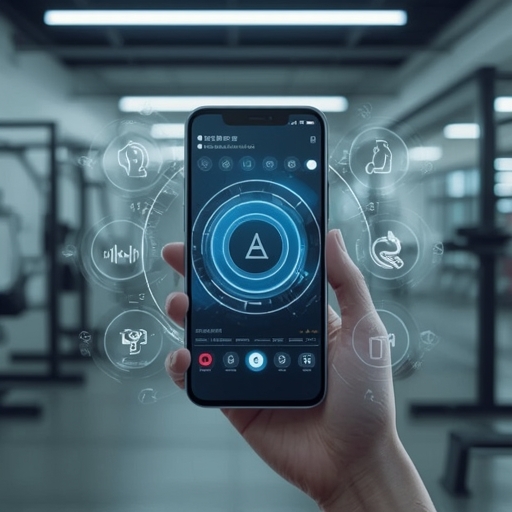
Over a single transformative weekend, I embarked on a personal experiment that unexpectedly showcased just how far artificial intelligence has come in empowering individual creators. Using a combination of accessible AI tools, no-code platforms, and a bit of curiosity-driven determination, I developed a fully functional personal trainer application — a custom-built system that generates workouts, adapts to performance input, and even provides intelligent feedback based on user progress. What once seemed like a project requiring a professional development team, sizable financial backing, and months of work has now become achievable by a single motivated individual equipped with the right technology.
The experience was far more than a clever weekend build — it served as a compelling demonstration of how automation, machine learning, and user-friendly development frameworks are dismantling traditional barriers to innovation. In the past, creating something comparable to a commercial fitness app would have demanded extensive programming expertise, design resources, and logistical support. Yet, with modern AI-assisted coding, natural language interfaces, and modular pre-trained models, that complexity has largely dissolved. Instead of writing thousands of lines of code, I spent most of my time refining prompts, integrating APIs, and adjusting parameters so that the app would deliver truly personalized coaching recommendations.
At its core, the app functions as an on-demand digital fitness companion. It generates tailored workout plans aligned with specific fitness goals—such as strength development, weight management, or endurance improvement—while considering available equipment, training frequency, and physical constraints. Using generative AI components, the system even creates motivational messages and adaptive routines based on feedback loops, mirroring the evolving interaction one might have with a human personal trainer. The entire process of ideation, prototyping, and deployment unfolded in less than forty-eight hours, underscoring just how radically the landscape of creation has changed.
This rapid creation process also revealed something more profound about the broader trajectory of technology: the democratization of capability. The conventional separation between consumer and creator is eroding. Individuals armed with AI systems, open-source tools, and a clear vision can now produce what previously required entire organizations. For the fitness technology industry, this shift raises an intriguing question: if one developer can assemble a sophisticated personalized training platform over a weekend, what will happen when thousands of innovators, each experimenting independently, begin releasing alternatives that challenge established platforms? The consequences for big fitness apps may be both invigorating and disruptive.
Beyond the technical novelty, there was an emotional realization that accompanied this process. Building something tangible — something that actively interprets, responds, and empowers — awakened the sense that creativity no longer depends exclusively on one’s coding fluency or access to funding. Instead, it depends on the ability to communicate clearly with AI systems, apply strategic thinking, and iterate fast. The route from concept to working prototype has shortened immensely. In effect, AI has become a creative multiplier, amplifying what individuals can accomplish with limited time and modest resources.
For major players in the fitness technology sector, this evolution should serve as both a warning and an invitation. A warning, because the same market once dominated by heavily financed projects can now be approached by agile, self-taught innovators who use AI to deliver deeply customized, cost-effective alternatives. But it is also an invitation—to adapt, to embrace collaboration with AI-driven methods, and to focus less on exclusive ownership of complex systems and more on delivering authentic user value. The competitive edge no longer resides solely in technical prowess; it now resides in insight, empathy, and adaptability.
In the end, what began as a spontaneous weekend project became a powerful symbol of the new creative era. Artificial intelligence is no longer a futuristic concept accessible only to well-funded labs or corporations; it’s a set of tools available to anyone with the curiosity to explore and the initiative to build. The ability to shape personal, intelligent digital experiences lies in the hands of every user willing to try. Big fitness apps, and indeed every established digital industry, should take note — because the next wave of innovation will not necessarily come from enterprise boardrooms but from living rooms, co-working spaces, and personal computers around the world.
Sourse: https://www.businessinsider.com/vibe-coding-fitness-app-weekend-software-2026-4


