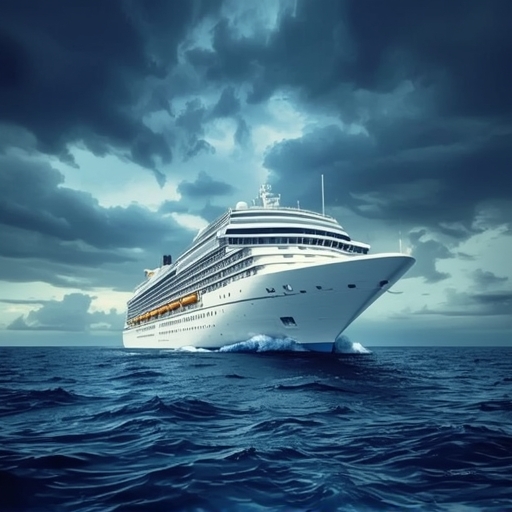
In a deeply concerning development that has captured global attention, the World Health Organization (WHO) has verified the occurrence of a hantavirus infection following a tragic viral outbreak aboard a cruise ship sailing through the Atlantic Ocean. This distressing event, which resulted in the loss of three lives, has once again brought to light the complex challenges posed by infectious diseases in confined, high-density environments such as cruise vessels—where the combination of limited medical resources, close human proximity, and delayed access to land-based healthcare facilities can significantly exacerbate an outbreak.
According to the WHO’s statement, the confirmation of a hantavirus case underscores the critical necessity of maintaining systematic public health surveillance, robust diagnostic capabilities, and coordinated emergency response mechanisms, particularly in international travel and tourism industries. Hantaviruses, though relatively rare compared to other pathogens, present an exceptional danger because of their potential to cause severe respiratory or renal complications, often progressing rapidly and requiring immediate medical intervention.
This maritime outbreak illuminates just how easily infectious agents can spread within self-contained ecosystems like ships. Hundreds or even thousands of passengers and crew share dining areas, ventilation systems, and recreational spaces, making containment efforts a race against time once an infection is detected. The incident demonstrates the indispensable value of preventive health screening, routine sanitation protocols, and advanced monitoring systems capable of identifying symptomatic individuals before infection clusters take hold.
Health agencies across the world have emphasized that ongoing preparedness, combined with data-driven coordination between international authorities, can substantially mitigate such risks. Quarantine procedures, isolation facilities on board, and trained rapid-response medical teams are vital to ensuring that isolated outbreaks do not escalate into large-scale emergencies. Cruise lines, global health organizations, and ports of call are being urged to strengthen their collaborative frameworks and share real-time epidemiological data to enhance transparency and containment accuracy.
Ultimately, this alarming occurrence stands as a sobering reminder that even in the era of modern technology and global connectivity, humanity remains vulnerable to the sudden resurgence of infectious threats. It reinforces the urgent need for continued investment in public health infrastructure, proactive global communication channels, and education for travelers and operators alike. The lessons drawn from this tragedy should not merely inform immediate corrective action on the affected vessel but also inspire broader reforms across the global transport and tourism sectors—ensuring that vigilance, compassion, and scientific rigor remain at the heart of international health security initiatives.
Sourse: https://www.businessinsider.com/cruise-ship-atlantic-viral-outbreak-deaths-hantavirus-world-health-organization-2026-5


