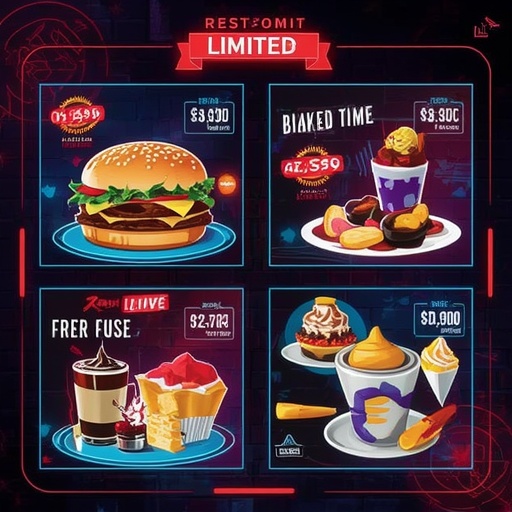
In the modern hospitality landscape, restaurants are no longer relying solely on the consistency of a static menu or the familiarity of traditional customer favorites. Instead, they have discovered an exceptionally effective catalyst for consumer engagement — the proliferation of continually refreshed limited‑time offers. This approach merges creativity with urgency, crafting a sense of fleeting opportunity that compels guests to act before an option vanishes from the menu. Within the sophisticated machinery of the attention economy, where every consumer moment represents a potential transaction, the principle of scarcity becomes a powerful marketing device. Diners are no longer simply selecting dishes; they participate in an unfolding narrative of exclusivity and timeliness, one that activates psychological triggers of curiosity and excitement.
Behind this strategy lies a deeper understanding of behavioral dynamics. Humans are inherently drawn to novelty, especially when that novelty presents itself within an environment that already promises pleasure and gratification. When a café announces a seasonal latte available only until the first frost, or when a bistro unveils a chef‑special burger that disappears after two weeks, customers interpret these dishes not just as food, but as transient experiences. The perceived impermanence transforms a meal into an event — a moment of discovery that feels personal and unique.
Frequent menu rotation also fosters continual customer engagement by redefining the restaurant visit as an exploration rather than a routine. Each limited‑time addition invites patrons to return, hoping to encounter something fresh, surprising, or socially buzzworthy. This rhythm sustains anticipation and ensures that the restaurant remains a topic of conversation both online and offline. Within digital ecosystems — particularly on social platforms — diners become informal brand ambassadors, sharing photos, opinions, and countdowns to the offer’s conclusion. The result is cyclical momentum: urgency fuels participation, participation fuels visibility, and visibility further reinforces the perception of exclusivity.
This phenomenon aligns perfectly with broader marketing trends emphasizing immediacy and personalization. Just as streaming platforms release exclusive content drops to keep subscribers engaged, restaurants deploy transient menu items to maintain emotional resonance with their audience. Every pop‑up dessert, limited‑edition drink, or short‑lived fusion entrée signals that the brand is alive, responsive, and in constant dialogue with contemporary tastes. Moreover, from an operational standpoint, such offers allow restaurateurs to test new recipes, gauge customer reaction, and refine products before committing them permanently to the menu. It is both experimentation and theater — innovation presented within a performance of scarcity.
Ultimately, the success of never‑ending limited‑time offers underscores how profoundly consumer decision‑making has evolved in the digital era. People crave experiences that feel immediate yet meaningful; they want to capture moments before they disappear. By understanding this impulse, restaurants transform simple acts of dining into participatory events, blending marketing strategy with emotional storytelling. What was once just a special promotion has become a sustainable cycle of attention, excitement, and belonging — a culinary expression of the modern world’s perpetual appetite for the next new thing.
Sourse: https://www.businessinsider.com/limited-time-only-permanent-menu-strategy-2026-5


