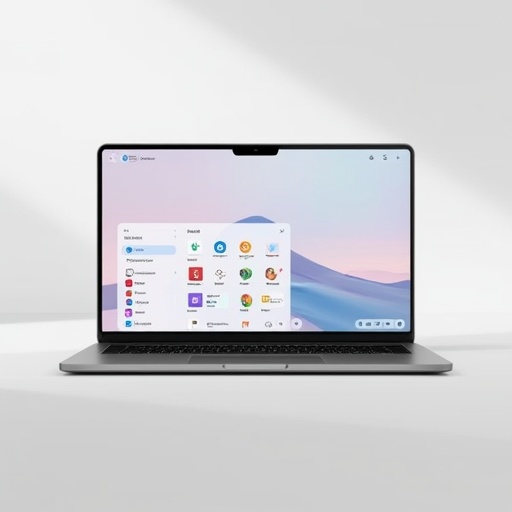
Microsoft has taken a bold and long‑awaited step toward creating a more refined and user‑centric digital environment within Windows 11. In a move that reflects both careful listening and adaptive design, the company has announced that the MSN‑powered news feed—once a constant presence in the Widgets interface—will now be hidden by default. This decision marks a significant evolution in Microsoft’s approach to balancing information accessibility with visual clarity and mental focus.
For years, users have expressed mixed feelings about the MSN content carousel that automatically populated the Widgets panel. While some appreciated the steady stream of news, lifestyle updates, and entertainment snippets, many more found it intrusive and visually congesting. Under the new system, Widgets will open to a calmer, cleaner layout, free from the perpetual influx of headlines and suggested media. The panel will still retain its core functionality—providing weather forecasts, calendar events, to‑do lists, and quick productivity tools—but without the overstimulation that had become symbolic of the previous design.
This adjustment is not merely aesthetic; it represents a broader shift toward improving concentration and digital well‑being. Microsoft has clearly recognized that modern users, particularly professionals and students, value an interface that minimizes distraction and enhances usability. By concealing the MSN feed by default, the system encourages individuals to engage with Widgets out of intent rather than habit. In effect, the change empowers users to decide whether and when informational content should be part of their workspace.
The design community has largely welcomed this initiative as emblematic of a new phase in Microsoft’s user‑experience philosophy. The revised interface embraces simplicity and order, aligning with the minimalist trends already evident across Windows 11’s rounded aesthetic, soft color gradients, and streamlined taskbar design. It reflects an understanding that productivity tools should enhance focus rather than compete for attention. Beyond its visual quietness, the update also echoes larger industry dynamics, where personalization and mindful computing increasingly guide software evolution.
In practical terms, users will soon encounter a Widget board that feels far less like an advertisement hub and far more like a thoughtful companion to daily workflow management. For casual users, this will translate into an environment that feels more welcoming and less commercialized. For business professionals and power users, it means fewer distractions and faster access to relevant system tools. In both cases, Microsoft’s decision underscores its ongoing effort to bridge functionality with serenity—a balance that many technology enthusiasts have been requesting for years.
Ultimately, this update signifies more than just hiding a feed; it represents Microsoft’s commitment to refining the balance between content delivery and cognitive comfort. By listening to widespread feedback and implementing tangible improvements, the company reinforces its vision of Windows 11 as not only a technological platform but also an intelligent, human‑centered workspace. The quieter, cleaner Widget experience stands as one more step in transforming everyday computing into something not merely efficient, but genuinely enjoyable.
Sourse: https://www.theverge.com/news/923884/microsoft-hide-msn-feed-windows-widgets


