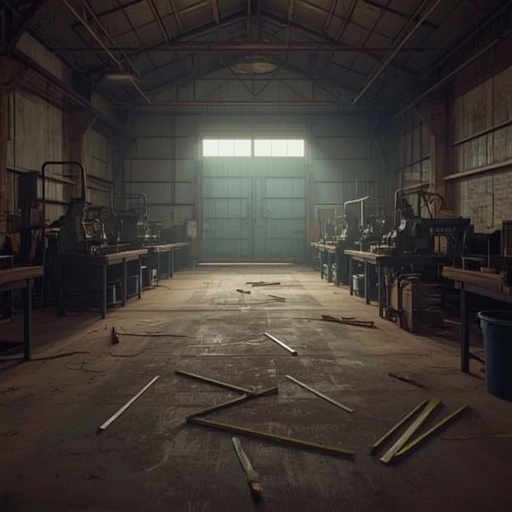
The closing of Stanley Black & Decker’s final manufacturing facility in Connecticut marks far more than a simple corporate restructuring; it represents the poignant conclusion of a long and deeply rooted chapter in American industrial craftsmanship. For generations, this plant stood as both a symbol of precision engineering and a cornerstone of local economic livelihood, producing millions of reliable single-sided tape measures that became indispensable tools in workshops, construction sites, and households across the nation. Yet the announcement that the factory’s doors will close speaks volumes about the accelerating shifts in global manufacturing patterns and the inexorable demand for modernization that spares no brand, however established or iconic.
At the heart of this decision lies a gradual but decisive transformation in consumer preference. Whereas earlier decades celebrated the durability and straightforward design of single-sided measuring tools, today’s buyers are increasingly drawn to the versatility and enhanced functionality of double-sided tape measures—innovations predominantly produced in overseas facilities capable of operating at lower cost and higher scale. This seemingly subtle design evolution encapsulates a broader trend: that even a small shift in user expectations can reshape entire production networks, compelling legacy manufacturers to re-evaluate long-standing methods that once ensured stability.
The closure also underscores how global competition and supply chain fluidity are redefining the contours of what it means to remain competitive in a market defined by constant innovation. As digitalization, automation, and international outsourcing accelerate, traditional manufacturers face mounting pressure to adapt not only in what they make but also in how and where they make it. For Stanley Black & Decker, a name long associated with American ingenuity, this adaptation has meant confronting difficult yet forward-looking decisions—balancing heritage and innovation, domestic pride and global pragmatism.
Beyond the immediate impact on production, the event invites reflection on a larger economic narrative: the continuous evolution of industries once considered immovable pillars of craftsmanship. It illustrates that even the most established institutions must evolve in response to changes in design trends, cost structures, and consumer expectations. The tape measure, a modest but universally familiar tool, becomes in this context a powerful metaphor for measurement itself—of progress, adaptability, and the enduring challenge of staying relevant when the tools of yesterday meet the technologies of tomorrow.
In essence, the story of this plant’s closure is not only about the end of local manufacturing but also about the ongoing reinvention that defines modern industry. Innovation, it seems, waits for no one; and as this chapter of production history draws to a close, another will begin—one guided by the same enduring spirit of resourcefulness that has long characterized the craft of making tools designed to measure, build, and reimagine the world around us.
Sourse: https://www.wsj.com/business/stanley-tools-factory-closes-8bac57ca?mod=pls_whats_news_us_business_f


