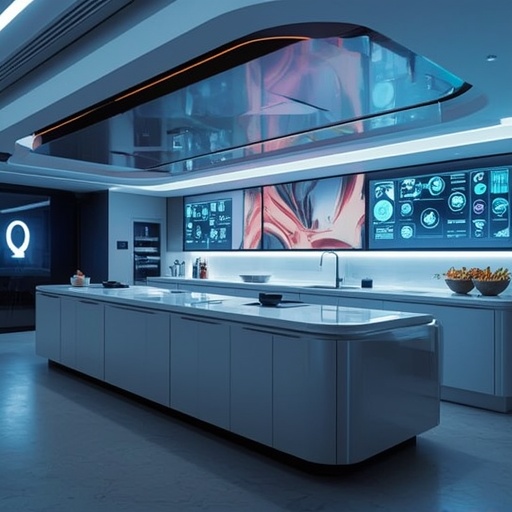
Marc Lore, the visionary entrepreneur and founder of Wonder, is painting an ambitious picture of how artificial intelligence could completely transform the way restaurants are conceived, built, and operated. In his forward-looking concept, technology does not simply assist chefs; it becomes the creative engine behind entirely new culinary ventures. Picture a world where anyone—from an experienced restaurateur to a curious home cook—can design and launch a full-fledged food brand using nothing more than a written or spoken AI prompt. The idea is as radical as it is empowering: through the help of intelligent robotic kitchens, Lore envisions a network of AI-powered “restaurant factories” capable of producing made-to-order dishes that embody virtual brands generated in a matter of minutes.
At the heart of this transformation lies Wonder’s advanced robotic kitchen technology, which merges mechanical precision with adaptive AI systems. These robotic units operate with exceptional consistency, handling complex cooking techniques and flavor combinations that normally require years of human mastery. However, Lore’s innovation goes a step further by integrating generative algorithms that could conceptualize menus, select branding aesthetics, and tailor dining experiences to niche markets or personal tastes. For instance, a fitness influencer might create a virtual health-food brand that adjusts its recipes based on user nutrition goals, while a gaming community might spawn a late-night snack bar designed around gamer culture—all orchestrated by AI within hours instead of months.
This concept democratizes the restaurant industry in unprecedented ways. Historically, opening a restaurant required significant capital, logistical coordination, and culinary training, creating high barriers for entry. With AI and robotic automation taking over much of the heavy lifting—from recipe creation and kitchen prep to fulfillment and feedback analysis—these obstacles begin to disappear. Essentially, Wonder’s platform could give creative control to anyone with an idea and a passion for food, regardless of technical expertise. In this sense, Lore’s proposal echoes how digital content creation reshaped industries like film, music, and publishing through accessibility and speed.
The implications extend beyond convenience and entrepreneurship. Such technology could reshape how cultures share and evolve their cuisines, allowing instant global distribution of inventive dishes and fusion styles. It could reduce food waste and energy use through optimized processes, support hyperlocal supply chains, and even adapt recipes dynamically to dietary needs or sustainability goals. Yet, it also invites deeper questions about creativity, authenticity, and the role of human artistry in the kitchen. Will diners embrace meals conceived by algorithms and cooked by machines with the same enthusiasm they hold for a chef’s personal touch?
Still, Lore’s vision challenges conventional thinking at its core. His AI-enabled restaurant factories point to a future in which imagination replaces infrastructure as the foundation of new culinary ventures. It is a shift that merges invention, accessibility, and gastronomy into one seamless process—where the barriers between human inspiration and execution are dissolved by intelligent robotics. Whether met with excitement or skepticism, this vision underscores a pivotal truth: the age of AI-driven dining is no longer a distant dream but an emerging reality, poised to redefine not only how we eat but how we create, share, and experience food in the digital era.
Sourse: https://techcrunch.com/2026/05/05/marc-lore-says-that-ai-will-soon-enable-anyone-open-a-restaurant/


