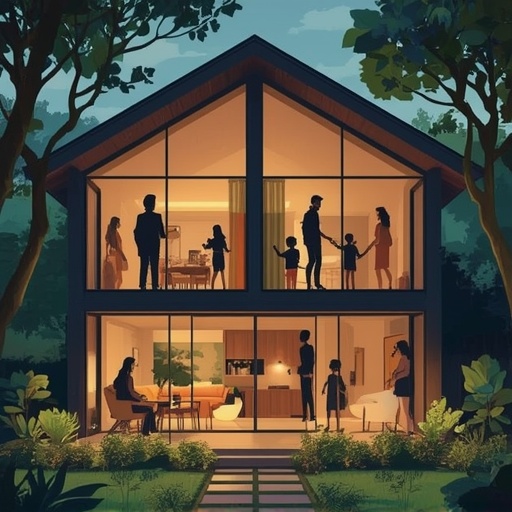
Across the United States, a quiet yet significant transformation is taking place in the concept of the American dream. What was once defined primarily by independence—owning a single-family home, often isolated from extended relatives—is now being reimagined through the lens of togetherness, cooperation, and shared purpose. As the financial, social, and emotional pressures of modern life intensify, rising living costs and housing shortages are encouraging families to rediscover an age-old approach: multigenerational living under one roof.
This lifestyle, far from being a mere pragmatic solution to economic strain, represents a profound cultural realignment. Households that include grandparents, parents, and children are pooling their resources and skills in a way that revitalizes the essence of community within the family itself. By sharing mortgage payments, childcare, eldercare, and everyday responsibilities, these families are not only mitigating individual financial burdens but also reclaiming a sense of unity that had gradually diminished in the pursuit of material independence.
The result is a redefined version of the American dream—one rooted less in owning more space and things, and more in nurturing strong human connections. The new dream embraces living arrangements where multiple generations thrive side by side, combining traditional wisdom with modern efficiency. It values emotional resilience, family continuity, and sustainable living patterns that respond intelligently to economic realities. For example, grandparents may provide invaluable childcare support while younger adults handle technology, transportation, or home management, creating a stable and adaptable ecosystem that benefits everyone.
Moreover, this collective model brings intangible rewards that extend beyond finances. Multigenerational homes foster deeper empathy, cross-generational learning, and an enduring sense of identity. In a culture increasingly marked by digital disconnection, this return to close-knit family networks strengthens social cohesion and reintroduces a rhythm of life grounded in mutual care. Shared meals around one table, joint celebrations, and everyday interactions enrich not only relationships but also mental well-being.
As this trend continues to spread, multigenerational living stands as a testament to the adaptability of the American spirit. It demonstrates that the dream has never been static—it evolves in response to each generation’s circumstances and challenges. Today’s reimagined dream aligns practicality with purpose, blending financial intelligence with emotional depth. In doing so, families are building homes that are not just shelters, but living expressions of connection, resilience, and hope for a more sustainable and compassionate future.
Sourse: https://www.businessinsider.com/multigenerational-living-is-reshaping-the-american-dream-2026-5


