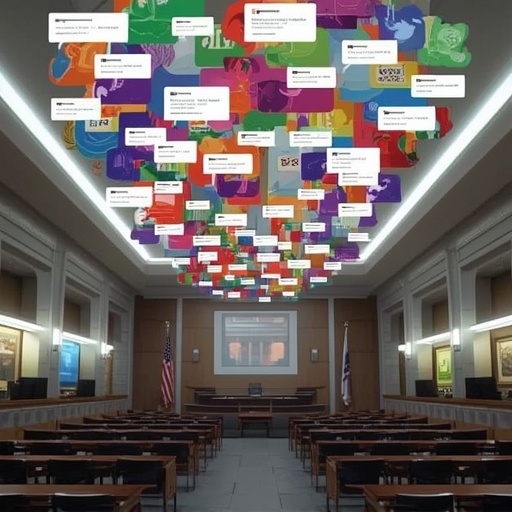
The phrase “directionally very bad,” originally uttered in the measured context of a corporate exchange, has undergone a spectacular metamorphosis, evolving from a simple internal comment into an emblematic expression recognized across digital culture. What began as an unremarkable phrase used to convey strategic concern within a professional circle has now been magnified by social media into a kind of cultural shorthand—a phrase invoked both earnestly and ironically to describe situations that appear to be trending toward disaster. This transformation highlights how swiftly the internet can repurpose language, altering tone, scale, and context until a line meant for business analysis becomes a public symbol of collective humor and commentary.
In this peculiar crossroad between technology, law, and communication, the resurfaced text exchange from a major court case played the role of catalyst. Once these private words entered the public domain, the internet seized upon their brevity and understated absurdity. Within hours, users on Twitter, Reddit, and beyond began to remix the phrase into memes, screenshots, and viral posts, applying it to everything from broken projects to personal mishaps. The phrase’s dry tone gave it remarkable versatility—it could express genuine alarm while preserving a sense of detached irony, a blend perfectly suited to online wit.
This phenomenon demonstrates something profound about our cultural moment: the permeability of boundaries between professional communication and collective entertainment. Once documents or messages are made public, they cease to exist solely as legal or business artifacts; they acquire new significance as material for commentary, laughter, and even art. The internet’s participatory nature transforms every utterance—especially one as simultaneously vague and evocative as “directionally very bad”—into a shared canvas for interpretation.
From a linguistic standpoint, the phrase itself embodies corporate understatement. It conveys recognition of trouble without resorting to emotional adjectives, maintaining strategic distance. Yet it is precisely this reserved tone that the public found irresistible. It encapsulates a distinctly modern kind of humor—the comedy of politeness in the face of chaos. Whether describing an economic forecast, a coding error, or a spilled cup of coffee, the phrase now carries a knowing wink, functioning like a meme-sized aphorism for all things unfortunate.
Beyond entertainment, this viral episode illustrates how language can map the dynamics of power, transparency, and narrative in the tech industry. Every leaked email, every courtroom transcript, becomes potential storytelling material through which audiences gauge corporate image and human fallibility. The rapid spread of “directionally very bad” reveals how intently the public now monitors and reinterprets corporate discourse, framing it not as sterile process but as cultural drama. The internet’s humor, sharp and relentless, acts as both microscope and mirror: it amplifies the smallest phrase into commentary on leadership, communication, and crisis management itself.
In essence, the rise of “directionally very bad” from obscurity to memehood is more than an anecdote—it signals the convergence of business language and pop culture. It reminds us that every word, however specialized or innocuous, carries the potential to transcend its original intent once it reaches the collective arena of the web. Within hours, a technical observation can mutate into parody, a confidential message into a punchline. And in that transformation, one can glimpse the extraordinary speed at which the digital age blends seriousness with satire, turning the language of the boardroom into the poetry of internet folklore.
Sourse: https://www.businessinsider.com/sam-altman-mira-murati-elon-musk-trial-text-memes-2026-5


