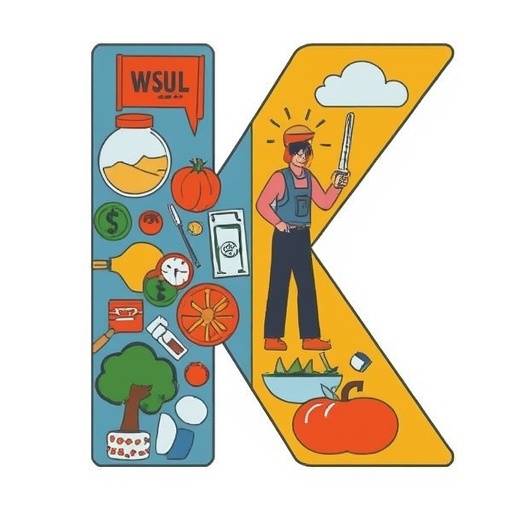
The Chief Executive Officer of McDonald’s, Chris Kempczinski, has delivered a thoughtful yet cautionary message about the current trajectory of the economy—one increasingly defined by a pronounced K-shaped pattern. In his recent remarks, he emphasized that widespread financial unease continues to intensify, particularly among households at the lower end of the income spectrum. These consumers, who are essential to the everyday operations of numerous industries including fast food and retail, are being compelled to reduce discretionary spending, limiting purchases that once seemed routine.
In stark contrast, higher-income segments of the population appear to remain relatively unaffected, maintaining or even expanding their levels of expenditure on dining, travel, and other nonessential goods. This divergence underscores the nature of a K-shaped economy: while the upper branch of the “K” rises steadily for those with greater means, the lower branch descends, reflecting growing financial strain on less affluent consumers. The gap between these divergent paths not only illustrates deepening inequality but also amplifies social and economic anxieties across multiple demographics.
Kempczinski’s observations shed light on the complex pressures businesses face when attempting to serve such a polarized market. Companies like McDonald’s—deeply rooted in middle- and working-class America—must navigate a world where one subset of customers continues to spend comfortably, while another feels increasingly priced out of everyday experiences such as dining out. Balancing affordability, value perception, and profitability becomes a strategic challenge requiring innovation and empathy in equal measure.
His warning extends beyond McDonald’s and resonates as a reflection of the broader consumer landscape. Many corporations across retail, hospitality, and service sectors are monitoring these same behavioral shifts, recognizing that traditional models of economic recovery no longer apply uniformly. The uneven rebound from recent global disruptions has reinforced that not all individuals experience growth or hardship in the same way. For policymakers, economists, and business leaders alike, this widening divide serves as both a signal and a responsibility—a call to reassess pricing strategies, wage structures, and community investment initiatives that can help restore equilibrium.
Ultimately, McDonald’s commentary captures more than a corporate concern; it mirrors an evolving national conversation about fairness, opportunity, and sustainability in an era of economic asymmetry. The notion of a K-shaped recovery is not simply a statistical construct—it represents the lived reality of millions navigating two very different economies under the same roof. As brands strive to remain resilient in this shifting environment, cultivating trust, adaptability, and inclusivity may prove as essential as financial performance itself.
Sourse: https://www.businessinsider.com/mcdonalds-ceo-chris-kempczinski-bad-news-k-shaped-economy-2026-5


