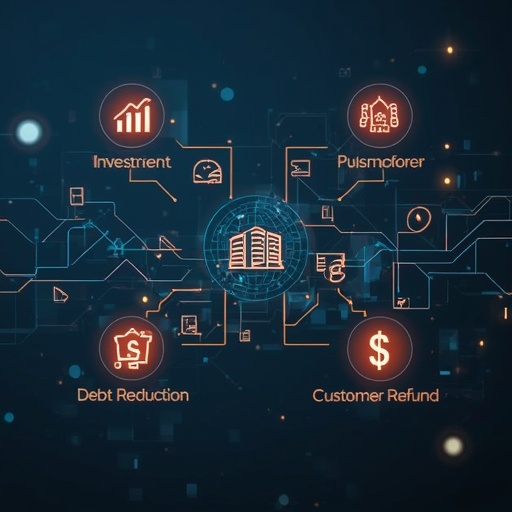
Across the corporate landscape, firms from a wide range of industries are now beginning to experience the tangible effects of tariff refunds—unexpected financial inflows resulting from changing trade policies and reassessments of previously imposed duties. This sudden return of capital is providing companies with an unanticipated boost to their balance sheets, effectively serving as a financial catalyst that prompts reconsideration of strategic priorities. Yet, with this opportunity comes a critical question that every management team must confront: How should this newly available money be most effectively utilized to strengthen the organization’s long‑term position?
For many, reinvestment appears to be a compelling choice. By channeling these refunded resources back into innovation, research, and operational expansion, companies can stimulate growth and reinforce their competitive standing. For instance, a manufacturer might choose to modernize production equipment or implement advanced digital tools to enhance supply chain efficiency. Similarly, a technology firm could allocate the funds to accelerate research and development, thereby creating new products or services that secure market differentiation. Such reinvestment decisions reflect a forward‑looking confidence in the future of the enterprise and the broader economy.
Alternatively, some businesses are opting to use the refunds as an opportunity to fortify their financial stability by paying down existing liabilities. Reducing corporate debt not only strengthens the balance sheet but also lessens interest expenses and improves creditworthiness, thereby enhancing financial resilience in times of uncertainty. This approach often appeals to organizations that prioritize steady, long‑term sustainability over rapid expansion. A lower debt burden can free up future cash flow, allowing for more strategic flexibility when new prospects emerge.
A third, more customer‑centric path involves returning part of these savings to clients or consumers, either through reduced prices, loyalty incentives, or enhanced service offerings. In doing so, companies communicate goodwill and reinforce trust, demonstrating that financial gains are not confined solely to shareholders but are shared throughout the value chain. This approach can strengthen customer relationships, foster brand loyalty, and create a ripple effect that benefits the wider market ecosystem.
Ultimately, each decision—whether reinvestment, debt reduction, or customer reward—illuminates a different dimension of corporate philosophy and leadership strategy. It reveals how firms perceive risk, opportunity, and social responsibility in an evolving economic environment. Collectively, these choices offer a fascinating glimpse into how financial decisions, made during moments of unexpected advantage, can profoundly influence not only a company’s future trajectory but also the shape of the broader business landscape and the confidence underpinning the global economy.
Sourse: https://www.wsj.com/business/entrepreneurship/trump-tariff-refund-plans-430bb366?mod=pls_whats_news_us_business_f


