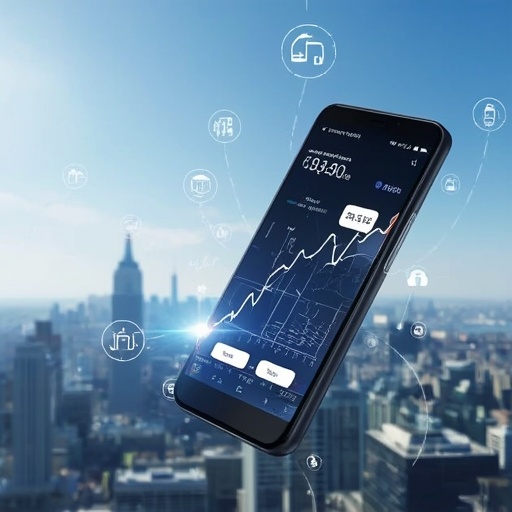
As fuel prices continue their relentless upward climb across both local and global markets, drivers everywhere are once again refocusing their attention on digital tools designed to soften the financial strain at the pump. What once seemed like a temporary surge in prices has evolved into a sustained trend, prompting an even broader return to fuel-tracking applications and cost-comparison platforms. These modern tools, powered by real-time analytics and cloud-based data networks, have become indispensable for motorists who wish to monitor daily fluctuations, identify competitive stations, and optimize their driving routes according to energy costs.
Economic analysts and energy specialists are simultaneously scrutinizing the same marketplace from a macroeconomic vantage point. By analyzing global supply-and-demand dynamics, they interpret how geopolitical tensions, refining capacity, and seasonal consumption patterns influence the fuel cost structure. Their continuous evaluation offers a broader lens through which consumers can understand why volatility persists in energy markets and how behavioral shifts at the individual or community level can affect larger demand trajectories.
Meanwhile, technological innovation plays a crucial role in bridging the gap between data and decision-making. The rise of artificial intelligence–driven forecasting tools and predictive pricing algorithms now enables both businesses and consumers to make informed, strategic choices. For corporate fleets, this means recalibrating logistical frameworks to improve efficiency, while for everyday drivers, it translates into using user-friendly mobile interfaces to secure incremental savings—often without even leaving their vehicles.
This renewed reliance on digital solutions underscores a broader societal trend: the fusion of personal finance consciousness with environmental and technological awareness. Each fill-up no longer represents a simple transaction; it is part of a larger data ecosystem in which individual actions contribute to an aggregate portrait of national and global consumption behavior. With every update, comparison, and recorded fuel purchase, real-time information enriches datasets that analysts can mine for further insight into the world’s fluctuating energy equilibrium.
In essence, the resurgence of fuel applications in tandem with rising energy costs reveals more than a fleeting consumer reaction—it illustrates the modern driver’s determination to harness data as a means of autonomy. As market observers watch the oscillations of crude oil benchmarks and energy indices, the average motorist now wields technology not merely as a convenience, but as a protective instrument against unpredictability. In this dynamic environment, informed engagement with digital tools is no longer just advisable; it has become a necessity for navigating the intricate intersection of economics, energy, and everyday mobility.
Sourse: https://www.businessinsider.com/gasbuddy-de-haan-interview-oil-monitoring-the-situation-meme-2026-5


