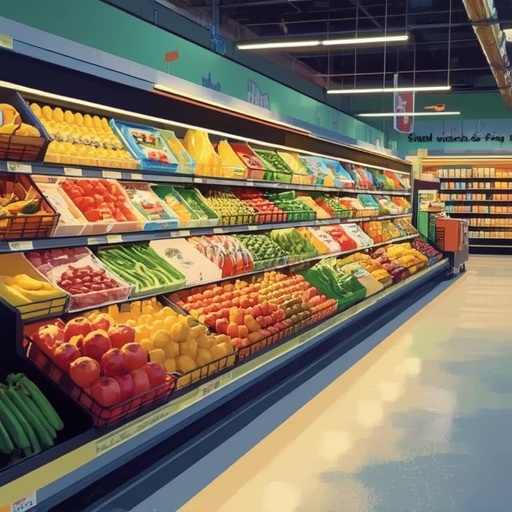
Across the globe, consumers are increasingly aware that the surge in fuel prices is not confined to the familiar setting of the gas station. What once seemed like a localized economic concern at the pump has now expanded its reach into virtually every corner of daily life — particularly into the food we eat. The link between rising energy costs and inflated grocery bills may not always be immediate or obvious, but it is deeply rooted in the complex web of transportation, logistics, and supply chain dynamics that bring produce from farms to shelves.
When the cost of gasoline and diesel escalates, the entire system that relies on these fuels begins to feel the strain. Every step in the journey of fresh fruits and vegetables — from the farm fields where they are cultivated, to the packing centers that prepare them for shipment, and finally to the distribution networks that deliver them to supermarkets — is powered by energy. Tractors, trucks, and refrigeration units all consume fuel, and even minor increases in energy prices ripple outward, eventually manifesting as higher retail costs for consumers. For example, a supplier who once could absorb modest transportation expenses now faces sharply higher operational costs and must adjust pricing to remain viable.
This adjustment process triggers a ripple effect through the marketplace. Retailers, already managing slim profit margins, find themselves with little choice but to pass additional costs along to shoppers. Consequently, by the time a basket of produce reaches your local grocery store or market, the compounded expenses of fuel and logistics have quietly, yet significantly, raised the price of everyday goods. The consumer, standing before the produce aisle, experiences the end result of a chain reaction that began miles away, in the fluctuating prices of crude oil and refined fuels.
Such economic shifts also compel businesses to rethink long-term strategies. Companies across the food supply chain are reevaluating how they transport goods, manage storage, and distribute products efficiently, attempting to mitigate the burden of elevated fuel costs. However, these strategic adaptations take time to implement and often cannot fully offset immediate financial pressures. Meanwhile, the average household shopper notices the tangible outcome in their weekly grocery total — a subtle but steady climb in the cost of staples.
Ultimately, the surge in gas prices illuminates the intrinsic interdependence of modern economies. It demonstrates how an increase in the price of one essential commodity — fuel — can cascade through multiple sectors, altering not just corporate pricing models but also the daily cost of living for ordinary consumers. In essence, the rising energy expenses that begin at the pump do not end there; they extend into warehouses, trucks, and finally into the produce aisle, underscoring how deeply energy and sustenance are economically intertwined.
Sourse: https://www.wsj.com/business/logistics/higher-gas-prices-are-seeping-into-the-produce-aisle-0f3579a9?mod=pls_whats_news_us_business_f


