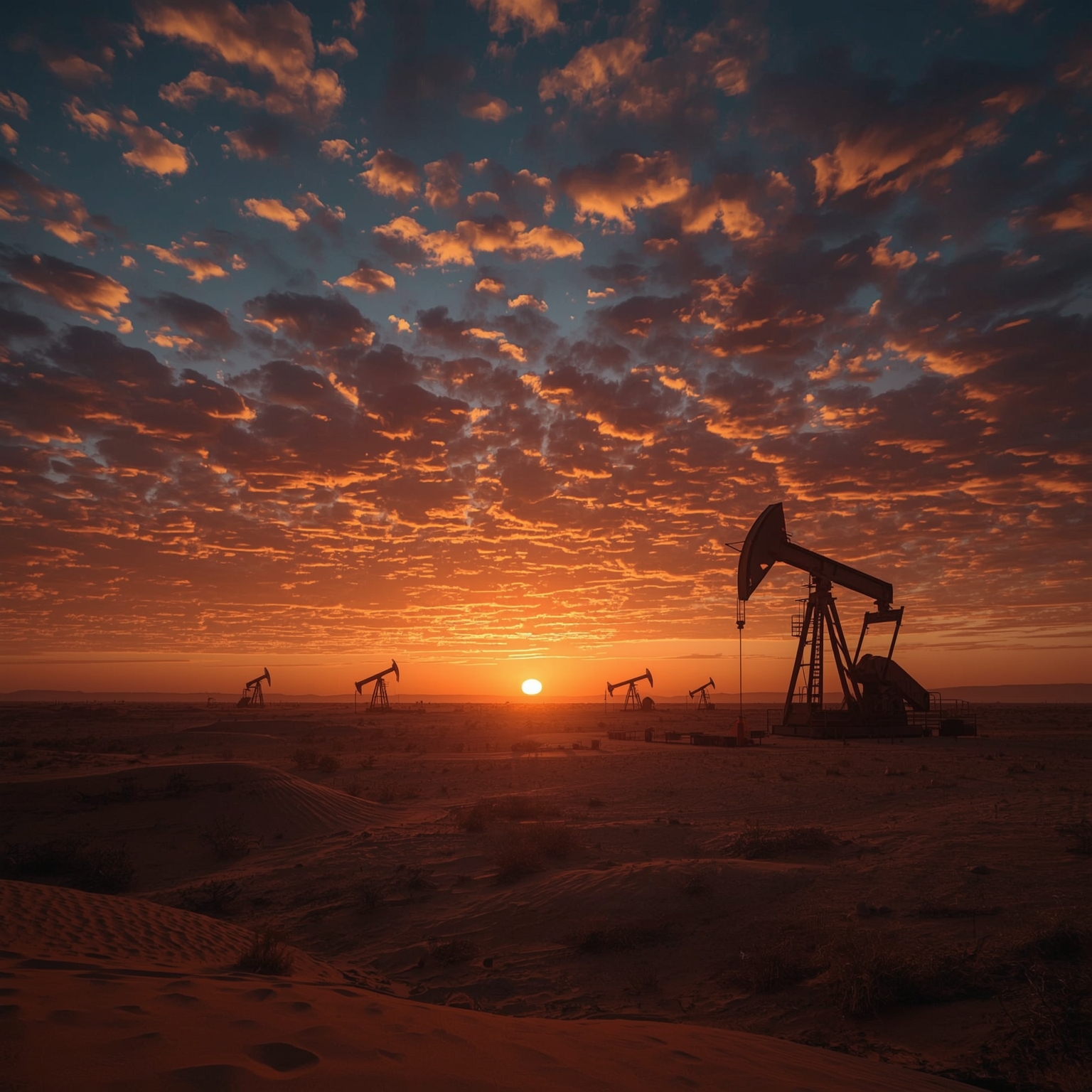
Saudi Arabia’s recent and assertive decision to substantially increase its oil production represents a striking and far-reaching maneuver that may redefine the contours of the global energy market. By deliberately flooding the market with additional crude supply, the kingdom is signaling both its confidence in its long-term production capabilities and its willingness to endure immediate financial and political turbulence. The immediate consequence of this policy shift has been a decline in oil prices across international markets, a phenomenon that delivers mixed effects: while it may temporarily ease costs for consumers and energy-dependent economies, it simultaneously places significant strain on producers, particularly those whose fiscal stability is tied to sustained high prices.
From an economic standpoint, Saudi Arabia’s strategy appears to intertwine ambition with risk. On one hand, increased production can enhance the nation’s market share and reaffirm its dominant position within OPEC and the larger oil-producing community. On the other, such a move exposes the kingdom to heightened volatility, as reduced revenues from lower prices could stress national budgets and complicate ongoing economic diversification efforts. This delicate balance between asserting influence and mitigating domestic vulnerability underscores the complexity of energy geopolitics, where short-term market fluctuations can yield long-term structural consequences.
Globally, the reverberations of this decision extend well beyond the energy sector. Lower crude prices may provide economic relief to oil-importing nations and stimulate industries reliant on affordable energy, yet they could simultaneously destabilize nations whose fiscal foundations depend on petroleum exports. Furthermore, as markets recalibrate, intricate geopolitical relationships may shift: alliances could strengthen or fracture based on how individual economies adapt to this new equilibrium.
Ultimately, Saudi Arabia’s bold calculation to raise output amid a downturn in prices should be viewed not merely as a financial tactic but as a strategic wager on future market dynamics and political positioning. In this complex interplay between supply, demand, and diplomacy, the kingdom’s actions serve as a stark reminder that energy policy operates at the intersection of national ambition, global interdependence, and economic resilience. The consequences — both intended and unintended — will likely unfold in the months and years to come, influencing global stability, trade relations, and the balance of power within the world’s interconnected energy ecosystem.
Sourse: https://www.wsj.com/business/energy-oil/saudi-arabia-oil-production-increase-trump-495b5bf1?mod=pls_whats_news_us_business_f