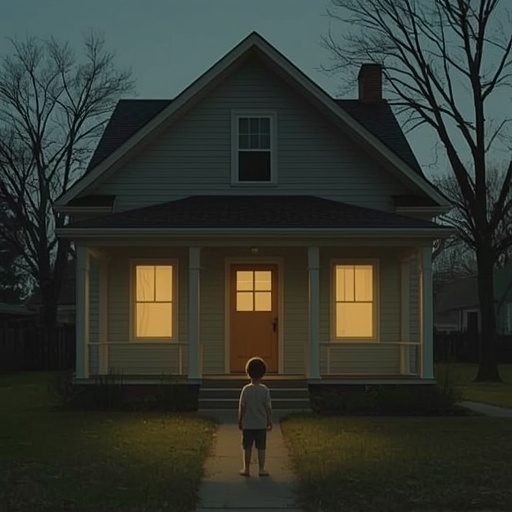
The financial and emotional weight of dementia care is becoming an unbearable burden for countless families across the nation. In one particularly moving account, a devoted son reveals that the staggering cost of $9,000 each month to provide adequate care for his father has forced him to make the agonizing decision to sell his parents’ cherished home. This single story, though deeply personal, acts as a mirror reflecting a widespread and escalating crisis that touches the lives of millions.
Behind the statistics and health policies are real people—sons, daughters, and spouses—struggling to balance compassion with the crushing financial demands of long‑term care. Dementia, a condition that slowly erodes memory, independence, and identity, requires constant professional attention, specialized facilities, and around‑the‑clock supervision. For many families, these needs translate into costs that far exceed what savings, pensions, or insurance can sustain. The emotional toll compounds the financial one: while caregivers navigate grief and exhaustion, they must also wrestle with the painful logistics of sustaining care without losing everything else.
In this story, the son’s sacrifice—the sale of the family home that once represented comfort, security, and a lifetime of memories—symbolizes the quiet heroism found in countless households. It underscores the profound love that motivates caregivers even as they face financial devastation. Yet it also exposes systemic gaps: the absence of affordable, dignified elder‑care options; the inadequacy of long‑term insurance coverage; and the lack of societal infrastructure to support aging populations with chronic cognitive illnesses.
The son’s experience demands that we confront uncomfortable but necessary questions. How should a society value those who nurtured it? What public and private measures can ensure that aging with illness does not mean financial ruin for the family left to shoulder the burden? Addressing elder care ethically will require collaboration between governments, policy makers, health providers, and communities to create solutions that are both compassionate and sustainable.
Ultimately, this is not just a story about loss—it is a testament to love’s endurance when tested by hardship. For every family navigating dementia, the choice between care and stability should never have to be so severe. Until we reimagine elder‑care systems that align affordability with empathy, stories like this one will continue to echo as pleas for change rather than rare exceptions. The high cost of love, it seems, should not require selling the very home that once held it.
Sourse: https://www.businessinsider.com/dementia-elder-care-cost-selling-parents-home-2026-5