In an era increasingly defined by economic uncertainty, shifting demographics, and evolving social values, a quiet but powerful transformation is reshaping what many Americans consider the ideal home. The modern dream is no longer centered exclusively around individual ownership or maximizing space; rather, it is rooted in the rediscovery of unity, shared purpose, and intergenerational support. Across the country, more families are making the deliberate choice to live under a single roof, not simply as a matter of financial practicality but as a reflection of deeper human needs—connection, belonging, and collective resilience.
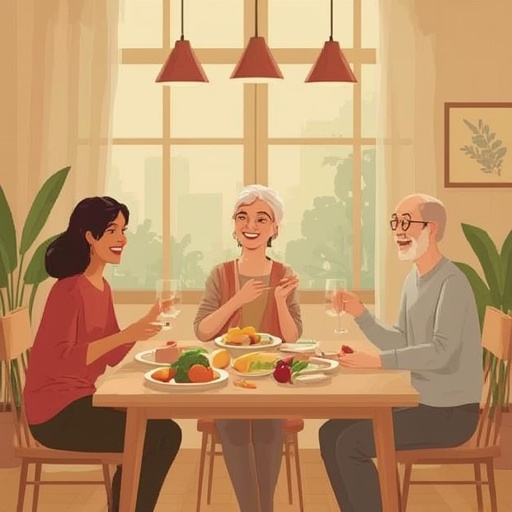
The image of three generations—grandparents, parents, and children—sharing one home is emerging as a vivid symbol of adaptation and emotional strength. This arrangement, once viewed primarily as an economic necessity, now represents a holistic approach to living: the fusion of heritage with progress. Within these multi-generational households, conversations flow more freely across age lines, cultural wisdom is preserved alongside youthful innovation, and the burdens of care are distributed with compassion rather than isolation. A grandparent may provide childcare while younger adults manage digital responsibilities; in turn, the shared costs of housing, food, and utilities foster a sense of stability that many contemporary nuclear families find increasingly difficult to achieve in rising markets.
This new model of domestic life stands as both a practical and philosophical redefinition of success. Where previous generations may have prized privacy, larger square footage, or suburban independence, today’s families often value proximity, adaptability, and emotional wealth over material accumulation. The home becomes not merely a physical structure but a dynamic ecosystem—a living network of support in which each generation contributes to the wellbeing of the whole. Elderly parents remain socially and emotionally engaged, children benefit from additional role models, and middle-aged caregivers rediscover balance through shared responsibility.
Culturally, this phenomenon marks a return to traditions common in many parts of the world, where multiple generations have long coexisted under one roof. Yet in the American context, its resurgence carries new significance: it is equal parts remedy and reinvention, marrying the timeless comfort of family ties with the modern impulses of sustainability and efficiency. By pooling resources, families are simultaneously combating inflation, housing shortages, and social fragmentation, transforming potential hardship into opportunity. What might have once been seen as compromise now increasingly feels like progress—a conscious step toward a more compassionate and integrated vision of domestic life.
Ultimately, multi-generational living challenges outdated assumptions about independence and success. It reminds us that achievement is not measured solely by owning more or living alone, but by the depth of the relationships we nurture and the stability we create together. In this revitalized understanding of the American dream, a house filled with multiple life stages becomes a testament to endurance, empathy, and shared hope. Every meal cooked together, every story told across generations, reinforces the idea that home is not defined by walls or possessions, but by the people who inhabit it—and by the love that binds them across time.
Sourse: https://www.businessinsider.com/higher-cost-of-living-creating-multigenerational-homes-2026-4