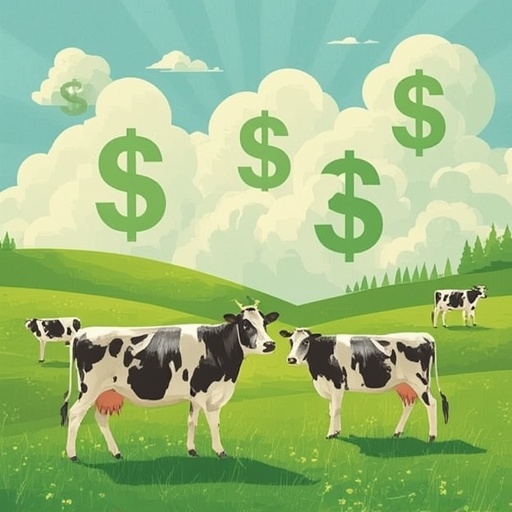
Across the nation, an unprecedented surge in beef prices is transforming both grocery aisles and restaurant menus, signaling more than just a temporary bump in costs. The upward trajectory of beef prices is directly tied to the world’s ever-growing appetite for protein—an enduring dietary preference that shows no signs of slowing down. Consumers are continuously seeking nutrient-dense meals centered around meat, yet the supply side of the equation is struggling to keep pace. Years of drought, high feed costs, and declining cattle herds have placed ranchers in an exceptionally challenging position, one that could take several years to correct as they gradually attempt to rebuild livestock numbers.\n\nFor producers, this imbalance between demand and supply has created a perfect economic storm. Rebuilding herds is neither quick nor inexpensive; it requires years of investment, favorable environmental conditions, and stable market confidence. The present shortage of cattle means that each cut of beef—from everyday ground chuck to premium ribeye steaks—is becoming increasingly expensive before it even reaches the retailer. These escalating production costs inevitably cascade through the supply chain, affecting butchers, restaurants, and households alike. What begins at the ranch does not remain there—it ripples through the entire food economy.\n\nThe implications stretch far beyond the dinner table. Rising beef prices highlight vulnerabilities in the agricultural system, where cyclical patterns of scarcity and abundance can dramatically shape consumer behavior. More Americans may pivot toward poultry, pork, or plant-based alternatives as they look for budget-friendly ways to maintain protein intake. Meanwhile, those in the restaurant industry face a difficult balancing act—absorbing higher costs or passing them onto diners, risking an erosion of demand. Investors, marketers, and policymakers alike are monitoring these shifts closely, aware that the steak on your plate reflects a broader narrative of resource scarcity, climatic pressure, and global market dynamics.\n\nWhether viewed through the lens of economics, ecology, or everyday consumer life, one thing is certain: the traditional image of beef as a readily available luxury is changing rapidly. Until herds recover and the supply chain stabilizes, we may all find ourselves reconsidering how, when, and whether to indulge in that next perfectly seared steak. The financial and cultural significance of beef has seldom been higher—literally and metaphorically reflecting an era where even simple pleasures carry a premium price tag.
Sourse: https://www.businessinsider.com/beef-prices-cattle-shortage-protein-demand-2026-5